Amidst missile alerts in wake of the Iran war, a Dubai resident on what it really means to feel safe
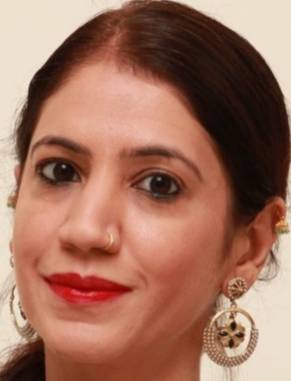
Purva Grover
Dubai, March 27
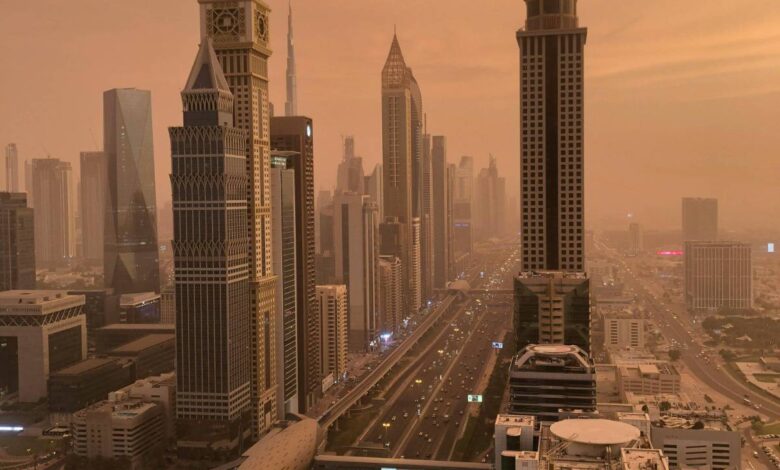
It is close to midnight—perhaps a little after—and I am walking back home from the Business Bay Dubai Metro station.
My earphones are in, music playing softly. Not loud enough to block the world, just enough to keep me company.
I am not rushing. My steps are unhurried, almost absent-minded. Somewhere behind me, I hear footsteps. I register them—but I do not react. I do not clutch my bag tighter. I do not turn around. I do not walk faster.
I keep humming.
There are a handful of pedestrians, a couple of passing cars, and the quiet hum of the place that never quite sleeps. I am in Dubai. It is 2019, or thereabouts.
And in that moment, I understand something I had not fully known growing up in New Delhi, North India—what it feels like to feel safe as a woman in a public space, alone, past midnight.
That knowing stays with me.
Headlines often echo what I feel instinctively:
“Dubai ranked among safest cities globally for women and residents” (Gulf News). “UAE among the world’s lowest crime rates, say global indices” (Khaleej Times).
Cut to 2020.
The world shuts down. Words like lockdown, quarantine, and social distancing have become part of the daily vocabulary. But from my window in Dubai, I watch something else unfold alongside the fear: roads being sanitized overnight, essential supplies reaching every doorstep, clear communication from authorities, and systems adjusting almost in real time.
And I learn what it feels like to be safe as a “community, a neighborhood, a family” in a pandemic.
Cut again—to March 2026.
The sounds are different now. Heavier. Harder to explain, harder still to believe if you are not here. Regional tensions have escalated, and while Dubai continues to function, the reality is no longer abstract. Missile interceptions are no longer headlines alone—they are sounds in the sky.
Emergency alerts vibrate through our phones, sharp and insistent.
My heart does miss a beat when the alert comes. It is not a metaphor.
The phone buzzes louder than usual, the message flashes, and for a few seconds, everything pauses. I say a quiet prayer. I wait. And then, like everyone else around me, I exhale only when the “all clear” follows.
This time, my learning of safety has shifted again.
My emergency bag is packed. My bed has been moved slightly away from the window. I follow advisories—stay indoors when asked, avoid unnecessary movement, remain alert but not alarmed. These are not dramatic acts; they are deliberate ones.
And this is where the question is asked, “Has it become dangerous to be in Dubai?”
I pause. Not because I do not have an answer, but because I want to answer it honestly. I am learning what it means to be safe as a resident and an expat.
I am not a defence expert. But like many residents, I have learnt to understand the systems in place. The UAE operates advanced air defence systems, including Terminal High Altitude Area Defense (THAAD), designed to intercept ballistic missiles mid-air.
The interceptions we hear are not failures of safety—but evidence of it working in real time.
As of March 25, 2026, multiple regional incidents have triggered precautionary measures, including public advisories and alert systems. Yet, daily life—schools, deliveries, healthcare, public services—continues to function with coordination and continuity.
The UAE Ministry of Defence reported that its air defence systems have intercepted a total of 357 ballistic missiles, 15 cruise missiles, and 1,815 unmanned aerial vehicles (UAVs) since the start of the conflict (Gulf News).
Reassurance is also visible in presence. A video of the UAE President, Sheikh Mohamed bin Zayed Al Nahyan, and the Crown Prince of Dubai and UAE Minister of Defence, Sheikh Hamdan bin Mohammed bin Rashid Al Maktoum, strolling through Dubai Mall on March 2, went viral almost instantly—an unspoken signal that life, and the city, carried on.
Days later, on March 6, the President visited those injured in the attacks, wishing them a smooth recovery and safe return home.
On Eid Al Fitr, His Highness Sheikh Mohammed bin Rashid Al Maktoum, Vice President, Prime Minister, and Ruler of Dubai, shared words that felt both intimate and collective:
“Eid Mubarak. May our Gulf remain safe and strong… we celebrate this blessed occasion in safety, peace, and stability.”
It was in these moments—walks in malls, bedside visits, Eid messages—that a sense of calm and continuity quietly threaded itself through the city.
Because living here is also emotional.
When a second country adopts you, and you begin to call it home, there are no formal vows. No ceremony. No moment where you declare your allegiance out loud. It happens quietly.
You cross immigration. Your passport is stamped. You receive your Emirates ID. You begin to understand the rhythm of the place. You hear Ishy Bilady often enough to hum along. Karak becomes routine. Shawarma becomes comfort. “Yes, yeah” slowly turns into “yalla.”
You celebrate the UAE National Day with henna on your hands. You break fasts during Ramadan, even if you are not fasting. You learn to live here—not as a visitor, but as someone rooted.
And with that comes something unspoken. In sickness and in health.
When COVID-19 hit, we stayed indoors—not out of fear alone, but out of trust. When advisories come now, we do the same. Stay away from windows. Avoid unnecessary travel. Pause, but do not panic.
Because even if we never said it out loud, we understood the contract. We stand together. And so does the country.
Of course, not everything is calm. WhatsApp groups do not stay silent. Questions outnumber answers. Some people wonder if they should stockpile unnecessarily; others work around the clock to ensure there is no shortage to begin with.
Between panic and hope, we choose—every day—how we respond. We see it across industries: community efforts to offer complementary meals and hotels opening doors for stays. The airport is running; many have already returned to the office. I have seen both panic and hope.
I have seen neighbors check in on each other. A simple message: Are you safe? Do you need anything? I have seen delivery riders continue their routes. Healthcare systems respond without delay. Security staff show up, as they always do, offering a quiet nod that feels like reassurance.
Safety, I am learning again, is not the absence of fear. It is the presence of systems, of people, of intent.
It is also deeply personal. They ask me to leave—to come “home.” But what is home?
(Purva Grover is a journalist, essayist, and creative entrepreneur based in Dubai, with over nineteen years of storytelling across books, podcasts, theatre, and interdisciplinary art. She has spent thirteen of those years in the UAE.)