‘He Promised We’d Go to Egypt Together’: A Friend’s Farewell to Raghu Rai
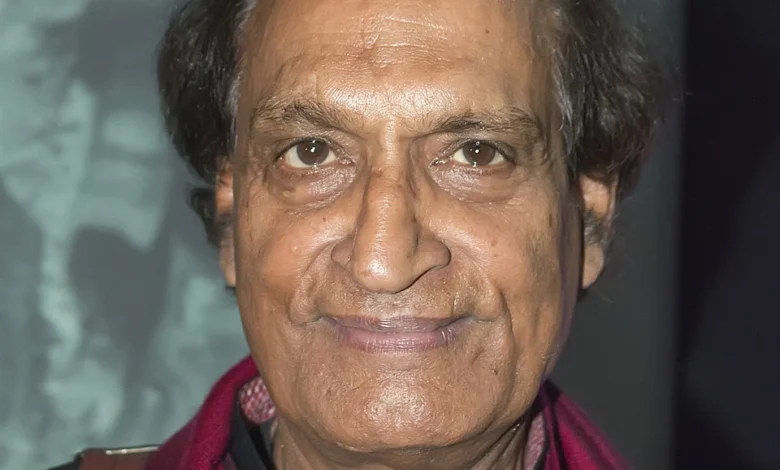
Chandigarh-based photographer and close friend Diwan Manna recalls his last meeting with legendary photographer Raghu Rai on February 28, 2026 — a man who smuggled his camera into the Golden Temple during Operation Blue Star and carried saplings from every country he visited.
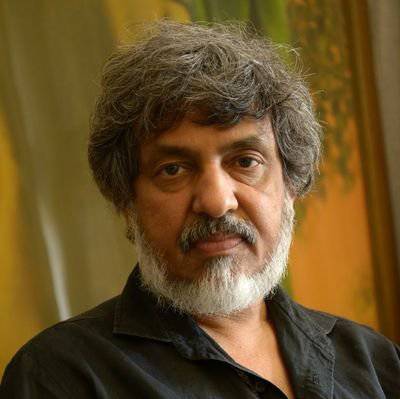
By Diwan Manna
Chandigarh, April 26, 2026
I got the news this morning. His daughter had sent a message. His sister too. But I was not entirely unprepared. I knew he had been unwell for a long time — battling cancer for five or six years, with a relapse five or six months ago.
Even so, when the message came, it stopped me.
I last saw Raghu Rai on February 28 this year. I went to meet him at his home. He was on his bed. I did not have high hopes that he would recover — not this time. But Raghu had always been a fighter. He had come out of it before. A part of me thought he might do it again.
He was in high spirits that day. He asked me where I had been travelling. I told him I had just returned from Egypt. He smiled. He said he had been to Egypt once, travelling with Rajiv Gandhi. Then he looked at me and said: “We will go together. And that’s a promise.”
That was Raghu Rai. Dying, and still making promises about the next journey.
—
He was a Punjabi– born in Jhang, in what is now Pakistan. He trained as a civil engineer and was posted in Ferozepur. It was during a visit to his elder brother — the renowned photographer S Paul, who was based in Delhi — that his life changed direction. He was 20 or 21 years old.
On a trip to a village in Rohtak, Haryana, with a photographer friend from a local newspaper, he noticed a donkey. The donkey saw him and bolted. Raghu followed. The donkey eventually stopped and turned — and Raghu captured the moment. S Paul was struck by the photograph and sent it to The Times of London, where it was published. That image, of a donkey staring straight into the camera on a dusty Haryana road, launched one of the greatest careers in the history of photography.
He never looked back. He joined The Statesman in New Delhi in 1966, became a freelance photographer in 1976, and served as director of photography at India Today from 1982 to 1991. In 1977, the legendary Henri Cartier-Bresson personally nominated him to join Magnum Photos — a distinction no Indian photographer had received before. He won the Padma Shri in 1972 for his coverage of the Bangladesh War. By the time of his death, he had published 56 books and was working on his 57th.
—
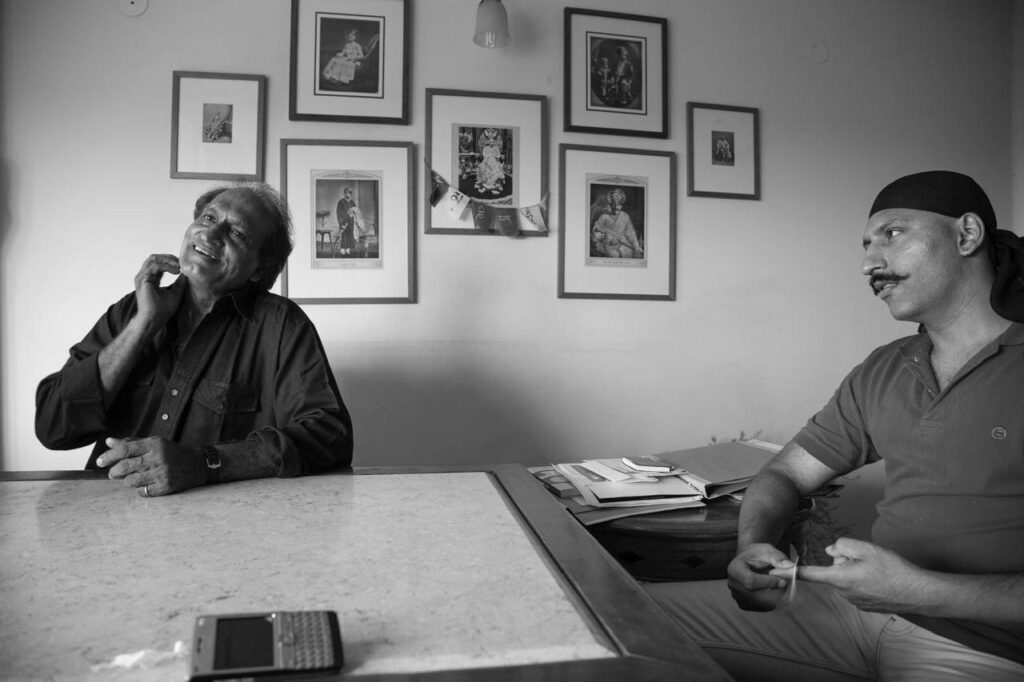
As a photographer, he was among the best in the world. I say this having seen the work of all the major photographers. I say it with full responsibility.
What set Raghu apart was the completeness of his understanding. He understood human behaviour. He had love for people, for nature, for animals, for places, for food. He had a deep grasp of history, of culture, of the socio-cultural changes unfolding across this country, of its political fault lines. And almost all of his most important work was rooted in India.
I remember standing once on the rooftop of his farmhouse in Delhi NCR. He said to me: “Look at this farm. You will find soil from every part of the world here.” He was not joking. Wherever we travelled — and we travelled to many countries together — he would bring back saplings. He would carry five to seven of them in his hands, keep them on his lap for the entire flight, the entire journey. That farm was a living map of the world, tended by a man who never stopped being curious about it.
—
Among the many stories of his extraordinary career, the one that stays with me — the one that tells you everything about what kind of man and journalist he was — involves Operation Blue Star.
When the Indian Army moved into the Golden Temple complex in Amritsar in June 1984, journalists were barred from entering. The cordon was absolute. Raghu Rai was not the kind of man who accepted absolute cordons.
He borrowed a small camera. Then he arranged a platform of flowers and other stuff — the kind a devotee carries when going to pay respects. He hid his Nikon in the flowers. He and his assistants carried it in over their heads, past the machine guns, presenting themselves as pilgrims coming to pray. He walked into the Golden Temple with soldiers armed with automatic weapons on either side of him, his camera concealed in a garland of flowers.
The photographs he brought out that day are part of history. Raghu Rai walked into the most heavily guarded religious site in India, during a military operation, with a camera hidden in a bunch of flowers, and came back with images the world needed to see. That was not just courage. That was the absolute conviction that bearing witness matters — that it is worth risking everything.
He was a Punjabi. That operation, at that place, was not an abstraction to him. It was personal.
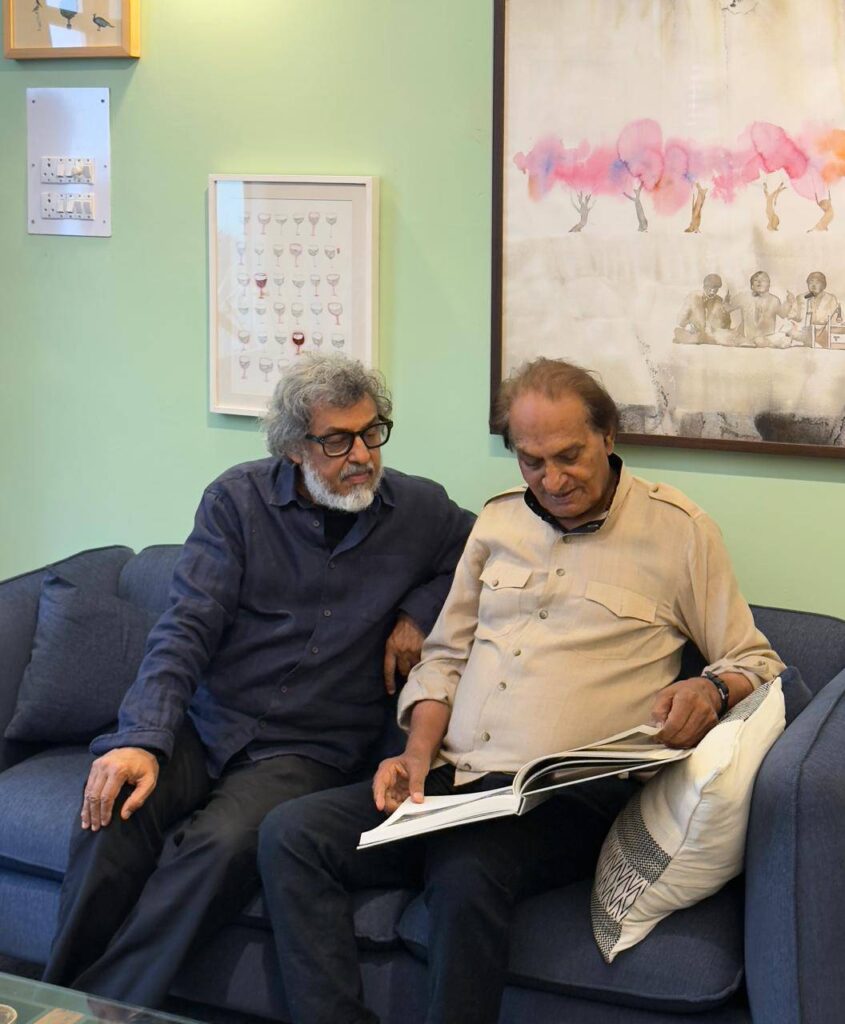
I am on my way from Chandigarh to Delhi, to attend his last rites at the Lodhi Road Crematorium. He is survived by his wife Gurmeet, son Nitin, and daughters Lagan, Avani, and Purvai.
He made me a promise in February. Egypt, together, sometime soon.
I am going to have to find a way to keep that promise on my own.
Diwan Manna is a conceptual artist and photographer based in Chandigarh with decades of experience, and a very close friend of Raghu Rai. He spoke to North Desk hours after learning of Raghu Rai’s death on April 26, 2026
You may like to read about: The Farmer Who Lived on a Tower for 18 Months

That’s a beautiful nostalgic tribute Dewan. May Raghu Rai’s soul rest in peace.
CJ