Punjab Juveniles: Children Being Swallowed by Crime; Juvenile Cases Up 48% in 2 Years, says NCRB
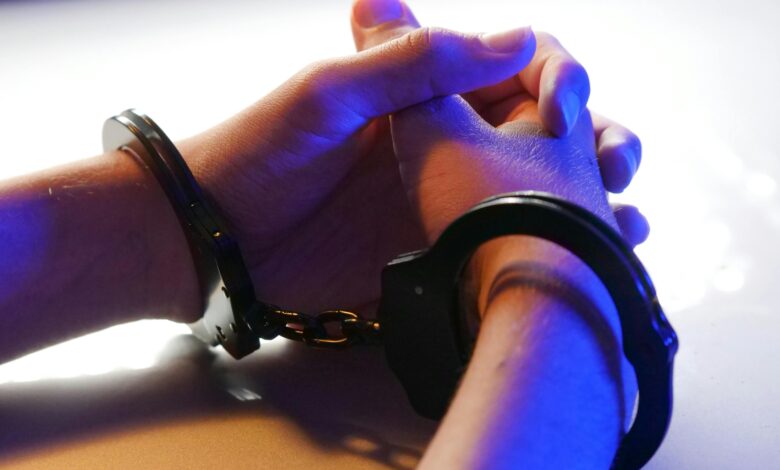
Punjab Juvenile crime: From 452 cases in 2022 to 672 in 2024 — and 37 children caught under the NDPS drug law. The state that leads India in drug trafficking is now watching crime reach its youngest citizens. Official government data from NCRB’s Crime in India 2024 tells the story.
North Desk Bureau
Chandigarh, May 9
When the National Crime Records Bureau documented Punjab as the number-one state in India for drug trafficking in its 2024 Crime in India report, one question was quietly left unanswered: what was the drug epidemic doing to the state’s children? Another Volume of the same report now provides a disturbing partial answer.
Punjab recorded 672 cases of crime committed by juveniles in 2024 — children and adolescents under the age of 18 who came into conflict with the law. That number was 452 in 2022 and 509 in 2023. The two-year rise of 48.7% is nearly four times faster than India’s overall growth in juvenile crime (14.2%) over the same period. Punjab is not just keeping pace with a national trend — it is racing ahead of it.
Punjab vs India: The Trend Since 2022
| 2022 | 2023 | 2024 | Change 2022–24 | |
| Punjab — Juvenile cases | 452 | 509 | 672 | +48.7% |
| Punjab — Rate per lakh | 5.2 | 5.8 | 7.7 | +48.1% |
| India Total — Juvenile cases | 30,555 | 31,365 | 34,878 | +14.2% |
| India — Rate per lakh | 6.9 | 7.1 | 7.9 | +14.5% |
Source: NCRB Crime in India 2024
Punjab’s juvenile crime rate of 7.7 per lakh child population in 2024 is just below the national average of 7.9 — but the trajectory is what alarms. India’s overall rate inched up from 6.9 to 7.9 over two years. Punjab’s jumped from 5.2 to 7.7, closing the gap rapidly. At this pace, Punjab will surpass the national average within a year. Who knows?
What Are These Children Doing? The Crime Profile
The NCRB data breaks down juvenile crime across dozens of categories. Punjab’s 672 total cases divide into 582 under IPC/BNS (cognizable criminal offences) and 90 under SLL (Special and Local Laws) — which includes drug and arms laws. The breakdown reveals a city-level crisis masquerading as a state-level statistic.
| Crime Type | Cases (2024) | % of Total |
| Grievous Hurt / Hurt | 76 | 11.3% |
| Murder | 65 | 9.7% |
| Attempt to Murder | 54 | 8.0% |
| Attempt to commit murder (total body offences) | 217 | 32.3% |
| Snatching | 59 | 8.8% |
| Theft | 49 | 7.3% |
| Kidnapping & Abduction | 41 | 6.1% |
| Rape | 20 | 3.0% |
| POCSO Act (child sexual offences) | 20 | 3.0% |
| NDPS Act (Drugs) | 37 | 5.5% |
| Excise Act (liquor) | 22 | 3.3% |
| Arms Act | 5 | 0.7% |
| Culpable Homicide | 40 | 6.0% |
| Robbery | 11 | 1.6% |
| TOTAL | 672 | 100% |
Source: NCRB Crime in India 2024.
The most striking numbers inside Punjab juvenile crime profile are not where one might expect. Murder: 65 cases — children apprehended for killing someone. Culpable homicide: 40 cases. Attempt to murder: 54 cases. Together, these three categories — taking life or attempting to — account for 159 cases, or 23.7% of all juvenile crime in Punjab in 2024.
Then there is snatching — handbags, phones, chains grabbed in the street — at 59 cases. This places Punjab joint-third in India among states for juvenile snatching, equal with Tamil Nadu, despite having a fraction of Tamil Nadu’s population.
Source: NCRB Crime in India 2024
Punjab Juveniles: #3 in India for Snatching
| Rank | State / UT | Snatching Cases by Juveniles (2024) | Population (Lakh) |
| 1 | Delhi (UT) | 217 | 320.0 |
| 2 | Tamil Nadu | 59 | 835.9 |
| 3 ★ | Punjab | 59 | 309.9 |
| 4 | Haryana | 35 | 285.1 |
| 5 | Gujarat | 17 | 726.5 |
| 6 | Telangana | 16 | 383.0 |
| 7 | Maharashtra | 10 | 1,262.2 |
Source: NCRB Crime in India 2024
For context: Maharashtra has 4 times Punjab’s population and its juveniles committed only 10 snatching cases. Punjab’s 59 cases — equal to Tamil Nadu’s, a state nearly three times larger — point to street crime by young people as a specific and growing problem, likely linked to substance dependency driving petty acquisitive crime.
The Drug Invasion: 37 Children Caught Under NDPS in 2024
Here is what is alarming in Punjab juvenile scene: 37 children in Punjab were apprehended under the Narcotic Drugs and Psychotropic Substances (NDPS) Act in 2024. This is not adults. These are persons under 18, caught in possession of narcotics.
That figure places Punjab 4th in India among all states for juvenile NDPS cases — tied with Andhra Pradesh, which has nearly twice Punjab’s population. And it does not include the 22 children caught under the Excise Act (liquor-related offences) or the 5 caught under the Arms Act— all of which together paint a picture of children being drawn into the supply chains and consumption patterns of Punjab’s drug economy.
| Rank | State | Juvenile NDPS Cases (2024) |
| 1 | Tamil Nadu | 130 |
| 2 | Telangana | 69 |
| 3 | Bihar | 50 |
| 4 ★ | Punjab | 37 |
| 4 = | Andhra Pradesh | 37 |
| 6 | Madhya Pradesh | 32 |
| 7 | Chhattisgarh | 29 |
| 8 | Haryana | 25 |
| 9 | Rajasthan | 24 |
Source: NCRB Crime in India 2024
The drug-juvenile connection in Punjab has been discussed anecdotally for years — of young boys recruited as runners, of school-age children introduced to heroin through peer networks in villages near the Pakistan border. The NCRB data is the government’s own confirmation that this anecdote has a numerical reality: 37 children processed by law enforcement for drug crimes in a single year, in one state.
ALSO READ: EXCLUSIVE: Punjab Drugs Latest — Punjab is No. 1 in Drug Trafficking in India
Who Are These Children? Education and Family Background
The NCRB report goes beyond crime counts to ask a harder question about the juveniles apprehended: where do they come from? It provides education and family background data for Punjab’s 834 juveniles processed through the system in 2024 — a figure that includes those apprehended in 2024 and cases carried over from 2023.
Education Level of Punjab’s Apprehended Juveniles (2024)
| Education Level | Illiterate | Up to Primary | Primary to Matric | Matric to H.S. | Above H.S. | Total |
| Punjab Juveniles (2024) | 88 | 223 | 380 | 123 | 20 | 834 |
| % of total | 10.6% | 26.7% | 45.6% | 14.8% | 2.4% | 100% |
Source: NCRB Crime in India 2024
The largest single group — 380 juveniles (45.6%) — had studied up to Matric level but not beyond. Another 223 (26.7%) had only primary education. Only 20 had studied above Higher Secondary. The picture that emerges is of children who entered the school system but did not complete it — of education that started but could not hold them. Illiteracy accounts for 88 juveniles (10.6%), significant in a state with otherwise high literacy rates.
Family Background
| Living with Parents | Living with Guardians | Homeless | |
| Punjab Juveniles (2024) | 784 (94.0%) | 38 (4.6%) | 12 (1.4%) |
Source: NCRB Crime in India 2024
Critically, 94% of Punjab’s apprehended juveniles were living with their parents at the time of their crime — not homeless, not abandoned. They came from families. This dismantles one easy narrative: that juvenile crime is primarily a phenomenon of broken or absent households. In Punjab, in 2024, children in intact family settings are committing crime at a scale that has grown by nearly half in two yearsOnly 12 juveniles (1.4%) were recorded as homeless — a small fraction. The problem is not one of street children. It is one of children at home, in communities, in neighbourhoods — and yet being pulled into crime.
ALSO READ: Chandigarh Crime: The Most Dangerous City in India for Senior Citizens, says NCRB data
What Happens to These Children? The Justice System’s Response
The report records the disposal of juvenile cases in Punjab in 2024. Of 1,422 juveniles in the system (including cases pending from 2023):
- 102 were sent home with advice or admonition — a mild intervention
- 265 were sent to Special Homes — juvenile correctional institutions
- 50 were fined; 12 were given imprisonment
- 68 were acquitted or discharged
- 898 cases remained pending disposal at year’s end — a backlog larger than the total apprehensions during the year
Punjab’s chargesheeting rate for juveniles stands at 86.3% — meaning police are building cases against most of those caught. But the backlog of 898 pending cases, against 672 new apprehensions, suggests the Juvenile Justice system in Punjab is running behind the pace of the crisis.