NRI's land in Punjab Seized by 'mafia': High Court tells Ludhiana Police to Act in 3 Months
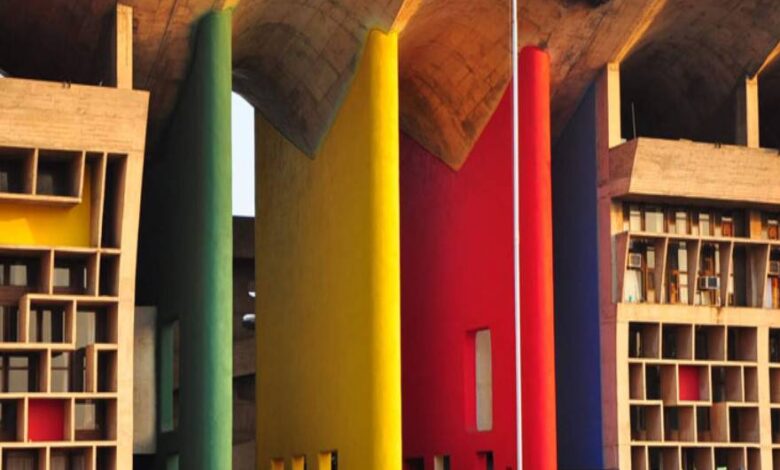
Meant for his charitable hospital trust, the 77-year-old Canadian NRI’s land in Punjab was allegedly seized by a land mafia and converted into a commercial showroom. The Punjab and Haryana High Court has directed the Ludhiana Commissioner of Police to decide the Canadian NRI’s complaint within three months.
Arvind Chhabra
Chandigarh, April 29
In a complaint of an NRI’s land in Punjab, a Canada-based NRI has alleged his charitable hospital trust land was seized by a land mafia and converted into a commercial showroom.
The Punjab and Haryana High Court has directed the Ludhiana Commissioner of Police to examine and decide the complaint filed by the 77-year-old NRI within three months — a complaint that had been sitting with Punjab Police and the state’s NRI Wing for months without any action.
The petitioner, a Canada-based NRI and founder-trustee of a charitable hospital trust in Ludhiana, had approached the High Court after repeated complaints to the police went unanswered.
The three-month deadline runs from the date of receipt of the certified copy of the order.
A Hospital Built for the Poor — Now Allegedly Occupied by a Commercial Showroom
The petitioner purchased approximately 16 kanals of land at Samrala Chowk, Chandigarh Road, Ludhiana, in 1979 through four registered sale deeds, on behalf of a charitable hospital trust set up in his late father’s name.
According to the petition, the foundation stone of the hospital was laid by the then Chief Minister of Punjab Parkash Singh Badal, and the site hosted medical camps inaugurated by the Governor of Punjab — a measure of its long public standing. For over four decades, the trust maintained possession of the land, secured by boundary walls and initial hospital structures.
Further in the complaint of NRI’s land in Punjab, the petitioner alleges that a powerful group of private individuals, operating under the banner of commercial entities including a dealership of a major national automobile brand and a real estate group, forcibly entered the trust premises using heavy earth-moving machinery. Existing buildings — constructed as per maps approved by the Ludhiana Municipal Corporation — were allegedly demolished. In their place, a commercial structure is reportedly being raised, without a sanctioned building plan.
The petition further alleges that the commercial entity’s association with a well-known national brand has been used to lend a veneer of legitimacy to what is, at its core, alleged criminal trespass on charitable land.
Forged Documents, a Court Order Ignored
The case has a second, more troubling dimension. The petitioner alleges that revenue documents — specifically, sale deeds for a plot situated at the geographical centre of the trust’s land — have been fabricated. The boundary descriptions in these alleged deeds, the petition argues, are physically impossible, as they show the trust’s own land on all sides with no point of entry or exit. The forgery, the petitioner contends, was designed to create a false impression of a civil dispute and give cover to criminal encroachment.
There is also a judicial defiance angle. In February this year, in a separate civil matter, the Punjab and Haryana High Court had passed a categorical status quo order regarding the same property. According to the petition, the private respondents responded by accelerating construction — specifically during government holidays and weekends to minimise the chance of police or judicial intervention.
The petitioner approached the concerned police station, the Ludhiana Commissioner of Police and the ADGP, NRI Wing, Punjab — the specialised cell established to protect NRI property interests. None registered an FIR. The petition describes the local police as “silent spectators.”
You may like to read: The CBI judge who was raided, arrested and now let off
What High Court Said on NRI’s Land in Punjab case
The High Court noted the petitioner’s submission that multiple representations had been filed with official respondents — the State of Punjab, the ADGP NRI Wing, the Ludhiana Commissioner of Police and the SHO — but that no action had been taken.
The court disposed of the petition with a direction to the Commissioner of Police to consider and decide the complaint, in accordance with law, within three months.
The NRI Wing Question
The Punjab government’s NRI Wing was established with a specific mandate: to act as a nodal authority for property complaints from the diaspora, monitor investigations, and provide a single-window grievance system. The petitioner’s advocate had noted in representations that despite submitting complaints with unique identification numbers through the system, not even a preliminary inquiry had been initiated.
The petition pointedly notes that the Chief Minister of Punjab has publicly assured NRIs that dedicated legal mechanisms are in place to protect their property. The petitioner’s experience, the filing argues, tells a different story.
The three-month judicial deadline now puts that assurance to the test. The Commissioner of Police, Ludhiana, is required to act by mid-July 2026.

3 Comments