Lockdown : What PM Modi and Ministers Actually Said
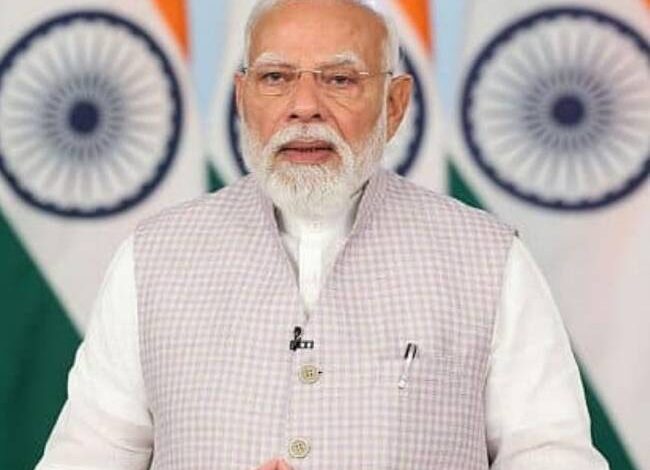
North Desk Correspondent
Chandigarh, March 27
Q1. Is India heading towards another lockdown?
No.
The Government of India has clearly stated that no lockdown is being planned or even considered.
Petroleum Minister Hardeep Singh Puri addressed the rumours directly on Friday, calling them “completely false,” and confirmed there is no such proposal under consideration. This was an unambiguous government attempt to shut down speculation that had begun circulating widely.
Q2. What did Prime Minister Modi actually say that triggered these rumours?
Prime Minister Narendra Modi was speaking in the context of the ongoing global situation — particularly tensions in West Asia.
His key points:
- The world is facing uncertain and potentially prolonged disruptions
- India must remain prepared for supply and economic shocks
- The Centre and states should work together in a “Team India” approach
He also referenced how India handled COVID-19, saying the country should be ready to respond with similar coordination if required.
Crucially, he did not mention lockdowns, restrictions, or shutdowns at any point.
Q3. How did his statement get misinterpreted?
The confusion came from one specific idea: preparedness like during COVID.
That phrase was lifted out of context and reframed online as:
- “COVID-like situation coming”
- “Lockdown incoming”
In reality, the Prime Minister was talking about administrative readiness, supply chain management, and protecting vulnerable populations — not restricting public movement.
Q4. What did Hardeep Singh Puri clarify in detail?
The Union Petroleum Minister gave a direct clarification aimed at stopping panic.
On fuel and energy, he confirmed there is no shortage of fuel or LPG in the country and that supplies are being monitored continuously.
On lockdown rumours, he said they are completely false and that no such proposal is under consideration.
His message had two clear objectives: reassure people about energy and fuel availability, and stop panic buying triggered by misinformation.
Q5. Is there any real crisis behind these rumours?
Yes — but it is being misunderstood.
India, like many countries, is closely watching geopolitical tensions in West Asia, possible disruptions in oil and gas supply, and broader global economic uncertainty.
This has prompted preventive planning. It has not prompted emergency measures like lockdowns.
Q6. Are other countries imposing lockdowns right now?
No.
As of now, no major country has announced lockdowns, no global health emergency is driving restrictions, and governments worldwide are focused on economic preparedness — not shutdowns.
This is not a pandemic situation. It is a geopolitical and economic one.
Q7. Why did public reaction escalate so quickly?
Because the word lockdown still carries enormous emotional weight.
The 2020 experience left a strong psychological imprint — sudden restrictions, supply shortages, uncertainty. So when people hear words like “crisis,” “preparedness,” or “global disruption,” the mind quickly connects them to lockdown, even when that connection does not exist.
Q8. What role did social media play?
A decisive one.
The spread followed a familiar pattern: selective clips or statements, added urgency (“from tonight,” “confirmed sources”), and rapid forwarding on WhatsApp and other platforms. Within hours, speculation had become perceived reality.
Final Word
There is no lockdown coming.
What India witnessed this week is a textbook case of global uncertainty meeting political statements taken out of context, amplified by social media at speed.