Satlok Ashram Chief Ram Pal Granted Bail by Punjab and Haryana High Court After Over a Decade in Jail
North Desk Correspondent
Chandigarh, April 9
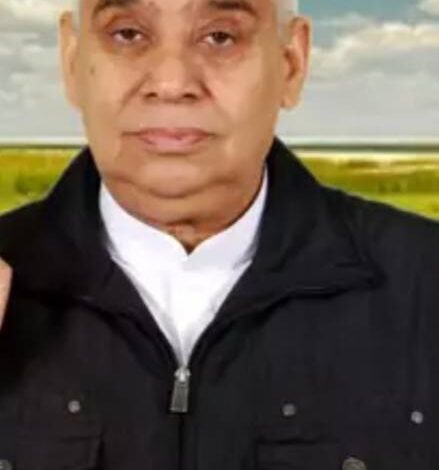
More than 11 years after he was dragged out of his fortified ashram in a dramatic police siege that left six people dead, Satlok Ashram head Ram Pal has been granted regular bail by the Punjab and Haryana High Court — with a pointed warning from the bench that he must not promote “mob mentality” among his followers.
A division bench of Justice Gurvinder Singh Gill and Justice Ramesh Kumari passed the bail order on April 8, accepting Ram Pal’s appeal against a Sessions Court order from September 2025 that had rejected his bail plea.
Why the Court Said Yes
The court’s reasoning was straightforward. Ram Pal, now 75 years old, has been in continuous custody since December 8, 2014 — a total of 11 years, 3 months and 21 days as on the date of the hearing. The sedition and UAPA case against him at Barwala police station in Hisar involves 425 prosecution witnesses. Only 58 have been examined so far. With 367 witnesses still to be deposed, the trial has no end in sight.
The court also noted that of the more than 900 co-accused arrested alongside Ram Pal in the 2014 crackdown, the vast majority — including 140 charged under the same serious sections as Ram Pal himself — have already been released on regular bail. Keeping him behind bars when his co-accused walked free was difficult to justify, the bench concluded.
The ‘Mob Mentality’ Condition
While granting bail, the court attached an unusual and pointed condition: Ram Pal is directed “not to promote any kind of mob mentality” and to avoid participating in congregations where his disciples show any tendency to breach peace and public order. The court made clear that if he is found inciting others to commit any offence, the State is free to move for cancellation of bail.
The condition is a direct reference to what happened in November 2014, when Ram Pal’s followers formed human chains, put women and children at the ashram gate as a shield, took positions on the roof with lathis and firearms, pelted stones and petrol bombs at police, and set a JCB machine on fire — all to prevent his arrest on a court warrant.
The 2014 Siege: A Recap
Ram Pal first ran into serious legal trouble when he repeatedly defied High Court orders to appear in a criminal case. His refusal led to a violent standoff at the Satlok Ashram in Barwala, Hisar. After a two-day clash, Haryana Police stormed the fortified ashram on November 19, 2014, arresting Ram Pal. Six followers died in the violence, several others — including police personnel — were injured, and thousands of devotees were evacuated.
Ram Pal was charged with wrongful confinement, murder, sedition, and other offences. In 2018, he and several followers were found guilty of murder and sentenced to life imprisonment for the six deaths during the 2014 standoff. In August 2025, the Punjab and Haryana High Court suspended his life sentence, citing debatable medical evidence, his age, and lack of support from the deceased’s families.
The FIR at the centre of the current bail order is the sedition and UAPA case, which remains under trial. This is separate from the murder conviction, whose sentence has already been suspended.
Background: Who is Ram Pal?
Born Rampal Singh Jatin in Sonepat district in 1951, Ram Pal was a junior engineer in Haryana’s irrigation department before he turned to spirituality. He founded the Satlok Ashram and built a large following in the Kabir Panthi tradition, particularly in rural Haryana. At the time of his arrest, his ashram in Barwala had become a heavily fortified complex with thousands of resident devotees.
What Happens Next
Ram Pal is lodged in Hisar Central Jail. The bail order will first be transmitted to the trial court, where he must furnish adequate bail and surety bonds. Only after that process is completed will he actually walk free.
The sedition trial — the FIR under which this bail has been granted — will continue. With hundreds of witnesses yet to depose, it is likely to run for years.




One Comment