GOLD DUTY HIKE: What it Means for Punjabi Wedding — It Adds ₹1.53 Lakh to Wedding Cost Overnight
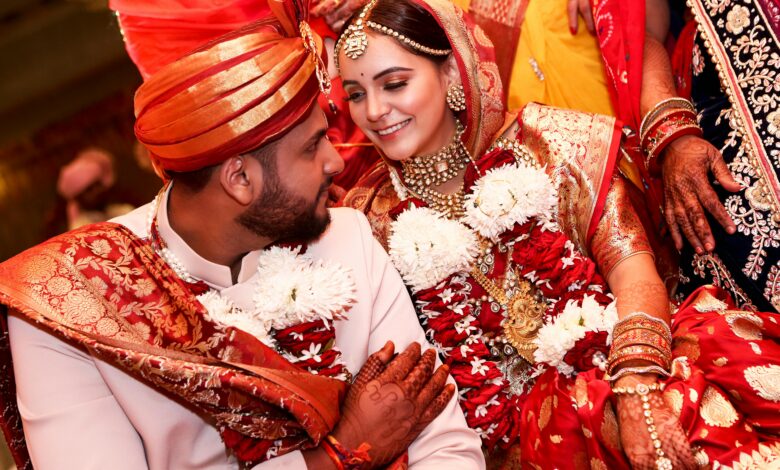
Gold duty hike: India’s gold import duty hike to 15% has added ₹1.53 lakh to a standard 110-gram Punjab wedding gold basket overnight. A Chandigarh jeweller does the math — and asks an uncomfortable question of the government.
Arvind Chhabra
Chandigarh, May 13
Subhash Kataria has been selling gold in Chandigarh and Punjab for decades. It’s his family business. He knows exactly what a Punjab wedding costs — not in sentiment, but in grams.
So when the government doubled gold import duty from 6% to 15% on Tuesday night, he did what no finance ministry official and no television anchor did. He pulled out a wedding list.
“The average family buys 10 tolas of gold for a wedding,” Kataria, who runs jewellery shops in Chandigarh and Zirakpur, told North Desk. “In the trade we count that as 110 grams — not 100 grams as people generally assume, because the traditional tola is 11.66 grams.”
At today’s rate of ₹1,68,040 per 10 grams of 24 karat gold on GoodReturns in Chandigarh, that 110-gram basket costs ₹18,48,440.
Forty-eight hours ago, before the government’s order landed, the same basket cost ₹15,33,010 less — or more precisely, ₹1,53,010 less, with gold running ₹1,391 cheaper per gram.
One government notification. One Punjab wedding. ₹1,53,010 more overnight.
What 110 grams actually buys
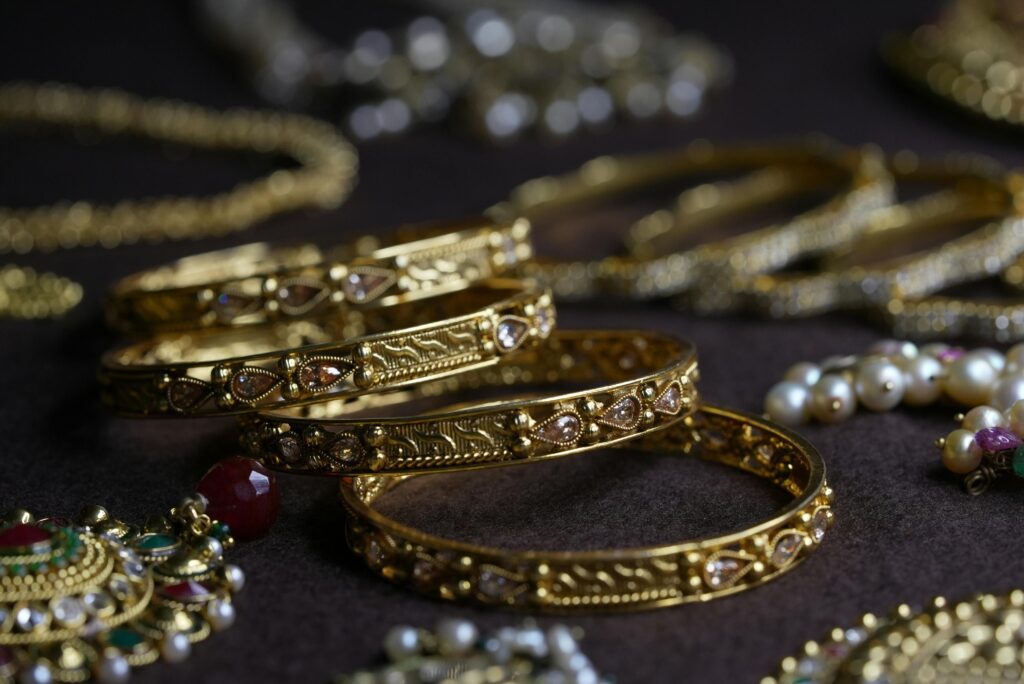
It is not extravagance. It is the list every family in Punjab and Haryana recognises.
Four bangles. One kada. Two full sets — necklace and earrings. A ring for the father-in-law. A pendant set for the mother-in-law. Tops or a pendant set or a chain for the sister-in-law — and if she is married, a chain for her husband too. Engagement rings for the bride and groom. And the mangalsutra — which Kataria notes costs ₹1.75 lakh on its own at current rates.
“You cannot not buy a mangalsutra,” he said. “Ban weddings then if you want to stop weddings.”
Then there are the milni gifts — the ceremonial exchange between families at the wedding gate. Rings, chains, small pieces. “Maybe that won’t happen in all families now,” said a jeweller who did not wish to be named. “People will buy a ring or something. But some families may skip it.”
Gold duty hike: Silver — the other shock
Gold duty hike: For families who traditionally anchor wedding gifting in silver — common across large parts of Punjab and Haryana — the numbers are equally stark.
Silver in Chandigarh is at ₹3,10,000 per kilogram today, up ₹20,000 per kg since the duty hike. A family that traditionally buys 4 kilograms of silver — utensils, decorative items, gifts — is paying ₹80,000 more than they were 48 hours ago. A family buying 2 kilograms is paying ₹40,000 more.
“Poor families used to buy 4 kilos of silver for a wedding,” Kataria said. “Even if they buy 2 kilos now, you can imagine what the increase means for them.”
The appeal that came before the order
The Gold duty hike did not arrive without warning — though the warning came dressed as patriotism.
On Saturday, Prime Minister Narendra Modi stood at a BJP rally in Hyderabad and made what sounded like a voluntary appeal — defer gold purchases for a year, conserve foreign exchange, do your bit for the nation as the West Asia conflict squeezes India’s external accounts. By Wednesday, the appeal had become policy.
“Modi has followers,” Kataria said, with a measured smile in his voice. “People will convince their wives — it is in the national interest, we should not buy. But those who have weddings will still buy. At least the mangalsutra. At least the engagement rings.”
This is not the first time an Indian prime minister has made such an appeal. Indira Gandhi once urged Indians to reduce gold consumption in the national interest. The yellow metal’s hold on the Indian household did not loosen then either.
80 lakh families. One policy.
Gold duty hike: Kataria’s sharpest concern is not about prices. It is about livelihoods.
“There are at least 80 lakh families of jewellers in this country who will be affected,” he said. “Who will hire people if we fire them? They will get into drugs, alcohol, crime. No one will say anything against the government openly — but this is the reality.”
He also raised a question the government has not answered: if it is serious about curbing gold consumption, why is it still selling gold through MMTC and other government agencies?
“If the government is honest,” he said, “they should stop sales at MMTC and other government sellers first.”
The unnamed Chandigarh jeweller was more cautious. “Business will take a hit,” he said. “But it is a little early to predict the full impact. Those who have weddings will still buy — maybe lesser than they usually would. But they will buy.”
The premium that may follow
Kataria’s final warning is the one policymakers should perhaps take most seriously.
With a 9-percentage-point duty gap between official and unofficial gold, the incentive for grey market activity is substantial. India cut duty from 15% to 6% in July 2024 specifically because the higher rate was fuelling smuggling. Official imports rose after the cut. The grey market quietened.
Wednesday reversed that entirely.
“A 5% disparity will come to the fore,” Kataria said. “Shopkeepers will start charging a premium if gold and silver are not available through official channels.”
In other words — the duty hike that was meant to reduce gold’s drain on India’s foreign exchange may simply redirect a portion of that demand through channels that pay no duty at all, contribute no revenue to the exchequer, and show up in no official import data.
The wedding will still happen. The mangalsutra will still be bought.
The only question is which counter it comes from.
Rates sourced from GoodReturns, Chandigarh, May 13, 2026. North Desk | May 13, 2026



One Comment