Infosys CEO salary: How Much Does India’s Top IT Boss Really Earn? And What About TCS and Wipro?
Infosys CEO Salary: How much does the Infosys CEO earn? Salil Parekh took home ₹82.60 crore in FY26 — nearly 3x TCS CEO’s pay. Full salary breakdown, comparison & what it means for NRI investors
By North Desk Bureau
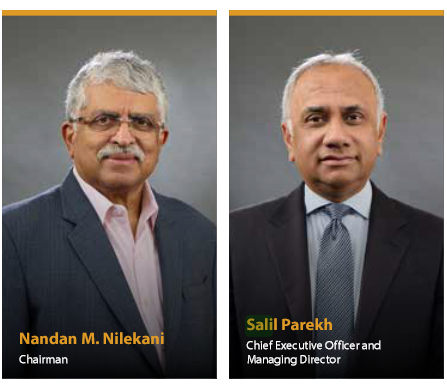
If you thought India’s IT bosses are all in the same pay league, think again. Salil Parekh, the Chief Executive Officer and Managing Director of Infosys, drew a total remuneration of ₹82.60 crore in FY26 — making him not just the highest-paid chief among India’s top three IT companies, but one earning nearly three times what his counterpart at TCS takes home.
The numbers of Infosys CEO Salary tell a story that goes well beyond a single headline figure.
The Numbers at a Glance
| ₹82.60 cr Parekh’s Total Pay FY26 Up 2% from FY25 | 2.94x Parekh vs TCS CEO Nearly 3x Krithivasan’s ₹28 cr |
So What Exactly Does the Infosys Boss Earn? Here Is the Full Breakdown
The Infosys CEO Salary of ₹82.60 crore figure is not a simple salary. It is a mix of fixed pay, performance-linked variable pay, and — most significantly — stock-based compensation that Parekh earned by exercising Restricted Stock Units (RSUs) granted in previous years.
| Pay Component | Amount (₹ crore) |
| Base Salary | 7.97 |
| Retirement Benefits | 0.53 |
| Total Fixed Pay | 8.50 |
| Variable Pay (cash) | 23.35 |
| RSUs Exercised (stock gains) | 50.75 |
| TOTAL REMUNERATION FY26 | 82.60 |
Nearly 61% of Parekh’s total pay in FY26 came from exercising RSUs — stock rewards that only pay out based on how Infosys performs on the market. His fixed salary is just ₹8.50 crore of the ₹82.60 crore total.
This structure is deliberate. The Infosys board, on the recommendation of its Nomination and Remuneration Committee, has tied the bulk of Parekh’s compensation to performance targets — both financial and ESG-linked. In FY26, he was also granted fresh RSUs: 2,30,621 performance-based units, 33,183 linked to total shareholder return, and 66,366 tied to company performance criteria. These will only vest — and count as income — in future years, if Infosys delivers.
Notably, Nandan Nilekani, the non-executive Chairman and co-founder of Infosys, voluntarily chose to receive zero remuneration — a rare and notable gesture that speaks to the founder-era ownership mindset still present at the company.
Parekh vs Krithivasan vs Pallia: How India’s Top Three IT CEOs Really Compare
| Company / CEO | Total Pay FY26 | Hike FY26 | Fixed Pay | Variable / Stock |
| Infosys / Salil Parekh | ₹82.60 cr | 2% | ₹8.50 cr | ₹74.10 cr (incl. ₹50.75 cr RSUs) |
| TCS / K. Krithivasan | ₹28.10 cr | 6.3% | ₹1.67 cr | ₹25 cr commission + ₹1.43 cr perks |
| Wipro / Srini Pallia* | ~₹53.64 cr (FY25) | ~2x vs FY24 | ~₹14.59 cr | ~₹39 cr variable + stock |
* Wipro FY26 annual report not yet released at time of writing. FY25 figures used for Pallia.
The gap between Parekh and TCS CEO K. Krithivasan — ₹82.60 crore versus ₹28.10 crore — looks startling at first. But the pay structures are fundamentally different. At TCS, ₹25 crore of Krithivasan’s ₹28.10 crore total is a performance-linked commission — meaning 89 per cent of his pay is variable. His fixed base is just ₹1.67 crore.
At Infosys, Parekh’s fixed pay is higher at ₹8.50 crore, but it is still the smaller portion. The real difference comes from the RSU gains — stock rewards from units granted years earlier that crystallised into income in FY26, partly because of where Infosys’s share price moved.
The gap between Parekh and Krithivasan is less about generosity and more about structure — and timing. RSU gains fluctuate year to year. In FY25, Parekh’s pay jumped 21.6%. In FY26, it rose just 2%.
Wipro’s Srini Pallia sits in a different bracket altogether — a more domestically calibrated package after the exit of former CEO Thierry Delaporte, who drew over ₹168 crore in FY24. The shift signals a deliberate recalibration at Wipro.
What Is Infosys Actually Delivering for That Pay?
Infosys CEO Salary: Parekh’s pay comes against a landmark year for Infosys:
- Revenue crossed the $20 billion mark for the first time — total revenues of ₹1,78,650 crore, up 9.6% year-on-year
- Consolidated net profit rose to ₹29,440 crore from ₹26,713 crore in FY25
- Net profit margin held at 19.6%
- Total headcount: 3,28,594 employees across 155 nationalities
- Free cash flow conversion at 112.3% of net profit
The pay-to-performance link is visible in the ratio data the annual report discloses: Parekh’s remuneration is 742 times the median employee remuneration at Infosys. Strip out the RSU gains and it falls to 289 times — still significant, but in line with how executive pay works globally at large listed companies.
Holding Infosys on NYSE? Here Is What This Means for NRI Investors
Infosys trades as an ADR on the New York Stock Exchange (NYSE: INFY) and is one of the most widely held Indian stocks among the diaspora — NRIs in the US, UK, Gulf, Canada and Australia often hold it directly or through India-focused mutual funds. Executive pay disclosures in annual reports are corporate governance signals worth reading.
- Pay moderation is a positive signal: The 2% hike in FY26, after a 21.6% jump in FY25, suggests the board is measured — not rewarding itself in a bumper revenue year.
- RSU alignment means Parekh wins only when shareholders win: The bulk of his pay is stock-linked. His incentives and yours are pointed in the same direction.
- Fresh RSU grants are future pay, not a current cost: New units granted in FY26 vest only if performance targets are met — they do not hit the income statement now.
- Nilekani taking zero salary is unusual: A Chairman drawing nothing signals the founder-era discipline that long-term investors typically appreciate.
Infosys CEO Salary: The Bottom Line
Infosys CEO Salary: Salil Parekh is India’s highest-paid IT CEO by a clear margin. But the pay structure — heavily weighted toward stock performance and with a fixed salary of just ₹8.50 crore — tells a more disciplined story than the headline number suggests. The board has designed his pay to track outcomes, not tenure.
As India’s IT sector navigates AI disruption, global macroeconomic uncertainty, and intense competition, how companies reward their chief executives — and how they tie that reward to real performance — matters more than ever. For the Infosys investor, whether in Mumbai or Michigan, the FY26 annual report offers reassurance that at least in the corner office, pay and performance are still speaking the same language.
Follow North Desk on WhatsApp for the latest from Punjab, Haryana and Himachal Pradesh: https://whatsapp.com/channel/0029Vb7ccdxJENy2H87DBG3E
ALSO: SRH Eliminated From IPL 2026: How Many Crores They Get and How Many They Don’t





One Comment