₹2000 note legal or Illegal in India? What It Means in 2026? Explained
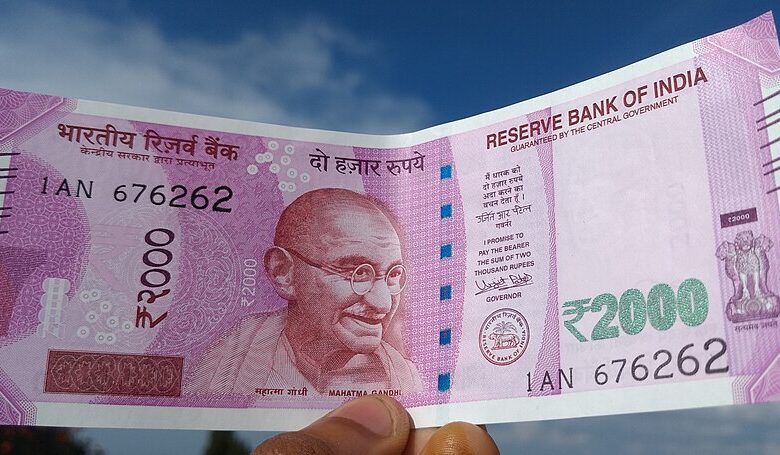
₹2000 Note Legal or not? The note has been withdrawn from circulation — but it is NOT banned. RBI confirms it remains legal tender. Here’s what you can and cannot do with it now.
North Desk Bureau
Chandigarh, May 2
You hand a ₹2000 note to a shopkeeper. He shakes his head. “Yeh band ho gaya hai.” Has it, though?
Three years after the Reserve Bank of India announced the withdrawal of the ₹2000 denomination banknote, a stubborn confusion persists — in shops, at petrol pumps, and at kirana counters across North India. Many people believe the note has been demonetised, banned, or made worthless. None of that is true.
Here is a plain-language breakdown of exactly where things stand as of May 2026.
The note is NOT banned. It is legal tender.
This is the single most important fact to establish. The RBI has consistently and explicitly confirmed, in every periodic update it has issued since May 2023, that the ₹2000 banknote continues to be legal tender. The most recent such confirmation came in the RBI’s press release dated April 1, 2026.
Legal tender means a note that must be accepted in settlement of a debt. In plain terms: if someone owes you money and hands you a ₹2000 note, you are legally obligated to accept it. A shopkeeper who refuses a ₹2000 note is not acting within the law.
This is fundamentally different from what happened in November 2016, when the government stripped the ₹500 and ₹1000 notes of their legal tender status overnight. That was demonetisation — those notes became worthless pieces of paper from the stroke of midnight. The ₹2000 note has not been demonetised. The RBI has been careful and deliberate about this distinction.
So what does “withdrawn from circulation” actually mean?
When the RBI says a note is “withdrawn from circulation,” it means the central bank has stopped issuing that denomination through banks and has asked the public to return their holdings. The notes come back into the system, are not re-issued, and the denomination gradually disappears from everyday use.
This is a routine, orderly housekeeping exercise. The RBI did the same thing with older series banknotes in 2013-14. Withdrawal from circulation is not the same as cancellation of legal tender status. The note remains valid. It just isn’t being replenished.
Why did RBI withdraw the ₹2000 note?
₹2000 note legal or not? The note was introduced in November 2016 under emergency conditions — to rapidly replenish cash supply after the sudden withdrawal of the ₹500 and ₹1000 notes during demonetisation. Once that emergency objective was met and other denominations became adequately available, the ₹2000 note lost its rationale.
Printing was stopped as far back as 2018-19. By March 2023, the note constituted just 10.8% of currency in circulation, down from a peak of 37.3% in March 2018. It was also observed that the denomination was not commonly used in everyday transactions — a function partly of its high value making change difficult. The RBI formally announced withdrawal in May 2023 under its Clean Note Policy, which aims to ensure good-quality, fit-for-purpose currency in circulation.
The numbers: How much is still out there?
When the RBI announced withdrawal on May 19, 2023, the total value of ₹2000 notes in circulation was ₹3.56 lakh crore. By April 30, 2026, that figure had fallen to ₹5,451 crore — meaning 98.47% of the notes have already been returned to the banking system. Less than 2% of the original stock remains with the public.
The note has essentially disappeared from active circulation, which is why most people haven’t seen one in a while. But a small volume is still out there, still valid.
You may like to read: ETF, SGB, Digital Gold or Physical — How Should You Buy Gold
What can you do if you still have a ₹2000 note?
So, now we know the answer to: Is ₹2000 Note Legal? You have two broad options.
First, use it. The note is legal tender. You can use it in any transaction where the other party accepts it. If they refuse, they are legally in the wrong — though enforcing that in a neighbourhood shop is a different matter.
Second, exchange or deposit it. The facility for doing this at regular bank branches closed on October 7, 2023. However, the RBI continues to offer exchange and deposit facilities at its 19 Issue Offices across the country, including the RBI Issue Office in Chandigarh.
At these offices, you can exchange ₹2000 notes for other denominations up to a limit of ₹20,000 at a time, or deposit any amount into your bank account (subject to KYC and identity verification requirements). If you cannot visit an RBI office in person, you can also send the notes through India Post from any post office in the country to any of the 19 RBI Issue Offices, with the amount credited to your bank account.
One important compliance note: if you are depositing more than ₹50,000 in cash in a single day, you must quote your PAN card as required under Rule 114B of the Income Tax Rules.
The RBI has not announced any deadline for the exchange facility at its Issue Offices.
The bottom line: Is ₹2000 Note Legal?
Is ₹2000 Note Legal?
The ₹2000 note is not banned, not illegal, and not worthless. It is legal tender that is being phased out of circulation through an orderly, voluntary return process. If you have one, you can use it, exchange it at an RBI Issue Office, or send it via post. What you should not do is assume it has no value — or let a shopkeeper tell you the same.





2 Comments