Fourth Fuel Hike in 10 Days Hits on Election Eve: Petrol Crosses ₹100 in Chandigarh, ₹104 in Punjab
Fourth fuel hike in 10 days: Petrol crosses ₹100 in Chandigarh and ₹104 in Punjab. Cumulative hike touches ₹7.50/litre since May 15. Live prices, diesel warning and what comes next.
North Desk Correspondent
Chandigarh, May 25
For the fourth time in ten days, Indians woke up Monday to costlier fuel. Petrol and diesel prices were revised upward again by ₹2.61 and ₹2.71 per litre respectively, pushing cumulative hikes since May 15 to nearly ₹7.50 per litre — the steepest run of increases in over four years.
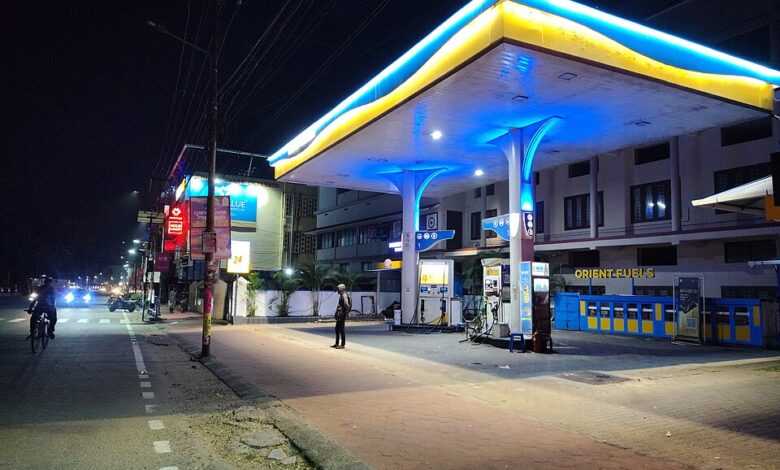
In the Chandigarh tricity and across Punjab and Haryana, the pain was immediate and visible. Indian Oil Corporation price data verified at the pump on Monday morning showed petrol at ₹101.51 per litre in Chandigarh, ₹104.82 in Punjab and ₹103.26 in Haryana. Diesel stood at ₹89.47 in Chandigarh, ₹94.76 in Punjab and ₹95.90 in Haryana — closing steadily on the ₹100 mark.
The hike comes on a day before Punjab votes in its urban local body elections, adding political edge to what is already a sharp economic jolt for the state’s commuters, traders and transporters.
Fourth Fuel Hike in Ten Days
State-owned oil marketing companies — Indian Oil Corporation (IOC), Bharat Petroleum (BPCL) and Hindustan Petroleum (HPCL) — had kept retail fuel prices largely unchanged for nearly four years before breaking the freeze on May 15 with a ₹3 per litre increase. That was followed by a 90 paise revision on May 19, an 87-91 paise hike on May 23, and Monday’s ₹2.61-2.71 increase — four rounds of revision in ten days. This is Fourth Fuel hike in 10 days.
The trigger is the West Asia conflict, which has driven India’s crude import basket from approximately $69 per barrel in February to around $113-114 per barrel in recent weeks — a surge of more than 50 per cent. With the rupee also under pressure, OMCs found themselves absorbing losses of up to ₹1,000-1,600 crore every day before the revision cycle began.
Even after Monday’s hike, analysts say OMCs are not out of the woods. Under-recoveries — the gap between what OMCs pay for crude and what they charge at the pump — are estimated at around ₹10 per litre on petrol and ₹13 per litre on diesel. Government officials have acknowledged that daily losses remain around ₹750 crore even post the recent rounds of revision, down from a peak of over ₹1,000 crore, but still deeply in the red.
The message from the industry is unambiguous: more hikes are likely if crude prices stay elevated.
Why Punjab Pays More
Fourth Fuel hike: The price gap across the tricity illustrates a structural reality of Indian fuel taxation. Petroleum products remain outside the Goods and Services Tax framework, allowing states to levy their own Value Added Tax on top of central excise duty. Punjab’s VAT on petrol stands at over 35 per cent — among the highest in North India — which is why a litre of petrol in Mohali or Ludhiana costs nearly ₹3-4 more than the same litre across the city border in Chandigarh.
This disparity is not new, but it bites harder with every upward revision. A ₹2.61 hike at the pump translates into a proportionally larger burden for Punjab consumers than for their counterparts in lower-tax states.
Diesel: The Number That Matters
Fourth Fuel hike: While petrol crossing ₹100 is the visible headline, it is diesel — the fuel of trucks, tractors, buses and cold chains — that carries the deeper economic consequence. At ₹94.76 in Punjab and ₹95.90 in Haryana, diesel is now within striking distance of the ₹100 mark. When it crosses, the cost will ripple outward: into freight rates, into mandi logistics, into the price of vegetables, milk and daily essentials on the shelves of every grocery store in the region.
Punjab’s agriculture-linked economy is particularly exposed. The state’s post-harvest transport network, its dairy sector and its dense network of small traders all run on diesel. An extended period of elevated diesel prices — with analysts warning that crude is unlikely to fall significantly while the Strait of Hormuz remains a flashpoint — means the inflation transmission from pump to plate could be both fast and sustained.
Election Eve
Monday’s fuel revision arrived just a day ahead of Punjab’s urban local body elections. Voters heading to booths in Ludhiana, Amritsar, Jalandhar and other cities were filling up at ₹104.82 a litre — a figure that would have seemed extraordinary as recently as May 14, when the four-year price freeze was still in place. The Aam Aadmi Party government, which faces the electorate tomorrow, has simultaneously been fielding questions about pending Dearness Allowance implementation for state employees and its fiscal management.
The government has so far not indicated any plans to cut state VAT on fuel to provide relief, unlike some states that have in the past adjusted local levies during price spikes.
What Next
With OMCs still reporting significant under-recoveries and crude showing no signs of a sustained retreat, the industry consensus points toward continued pressure on retail prices. Analysts at Emkay Global have estimated that a total increase of around ₹10 per litre may be needed to cover roughly half the accumulated under-recoveries — suggesting the current round of hikes, even cumulatively, may not be the last.
For North India’s commuters, farmers and traders, Monday’s pump price is not a ceiling. It may be a waypoint.
ALSO: Gurindervir Singh: Who Is India’s New Fastest Man and Punjab’s Flying Sikh-2