Ekadashi 2026: Date, Vrat Rules, Timing & Significance | North Desk
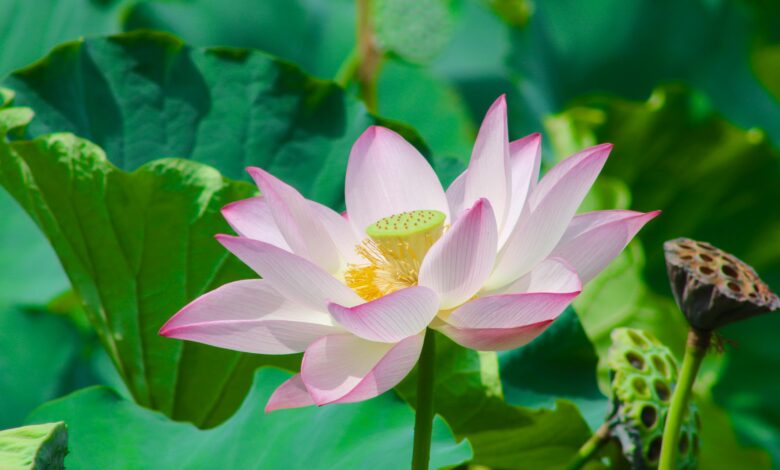
Padmini Ekadashi 2026 falls on Wednesday, May 27. The rarest Ekadashi of the Hindu calendar occurs only during Adhik Maas, once in three years.
North Desk Bureau
Chandigarh, May 25
(Updated June 25)
Nirjala Ekadashi, observed this year on Thursday, June 25, falls during the Shukla Paksha of the Hindu lunar month of Jyeshtha and is widely regarded as the most important and demanding of all 24 Ekadashis in the Hindu calendar.
Ekadashi 2026: Unlike other Ekadashi fasts where fruits, milk, or water may be consumed, Nirjala Ekadashi requires complete abstinence from both food and water throughout the day — making it especially arduous given that it falls at the peak of summer.
According to Hindu scriptures, observing this single Ekadashi with sincerity bestows the spiritual merit equivalent to that of observing all 24 Ekadashis of the year. The fast is also known as Bhimseni Ekadashi, rooted in a Mahabharata legend: Bhima, one of the Pandavas, found it difficult to observe all 24 Ekadashi fasts because of his immense appetite, and approached Sage Vyasa for guidance.
Vyasa advised him to observe just this one fast — without consuming even water — promising it would bestow the same spiritual benefits as all 24 Ekadashis combined. Devotees break their fast (parana) on the morning of June 26 between 5:25 AM and 10:04 AM IST.
For the devout across Punjab, Haryana, Himachal Pradesh and the North Indian diaspora, this Wednesday carries a spiritual weight that comes around only once in roughly three years. Padmini Ekadashi 2026 — the eleventh lunar day of the Shukla Paksha of Adhik Maas — falls on May 27, 2026, and scholars of the Vaishnava tradition regard it as among the most auspicious fasting days in the Hindu calendar.
Padmini Ekadashi 2026: What Makes This Ekadashi Different
There are 24 Ekadashis in a regular Hindu lunar year.
When Adhik Maas — the intercalary lunar month inserted approximately once every 32 months to align the lunar and solar calendars — occurs, two additional Ekadashis are added. Padmini Ekadashi is the Shukla Paksha Ekadashi of this extra month, and because Adhik Maas itself is entirely dedicated to Lord Vishnu and known also as Purushottam Maas, every spiritual act performed during this period carries amplified significance.
Padmini Ekadashi 2026: According to the Padma Purana, observing Padmini Ekadashi with sincerity is equivalent to the merit accumulated from visiting multiple sacred pilgrimage sites.
Ancient texts further hold that the fast has the power to erase sins from past lives and open the path to moksha. This year’s Adhik Maas is Adhik Jyeshtha Maas, running until June 15, making the occasion particularly significant for Vishnu devotees.
Date and Timing
Padmini Ekadashi 2026: As per the Hindu Panchang, the Ekadashi tithi begins on Tuesday, May 26 at 5:10 AM and concludes on Wednesday, May 27 at 6:21 AM. Following the Udaya Tithi convention — whereby the tithi prevailing at sunrise governs the observance — the vrat is observed on Wednesday, May 27.
Morning puja muhurat: 5:25 AM to 8:51 AM on May 27.
Parana (the breaking of the fast): May 28 between 5:25 AM and 8:08 AM.
The Three-Day Framework: What the Shastras Prescribe
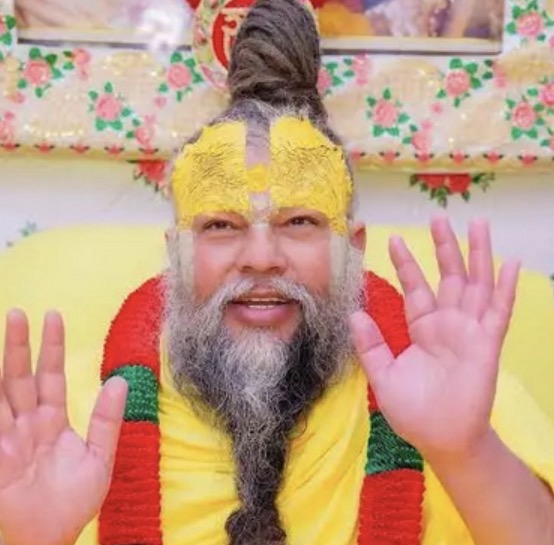
In a discourse by Paramhans Shri Premanand Ji Maharaj — widely circulated among devotees — the Maharaj explained that Ekadashi — or Hari Tosh Vrat, the fast for the pleasure of the Lord — cannot be observed in isolation. Its full spiritual fruit is available only to those who observe discipline across three consecutive days: Dashami (the tenth lunar day), Ekadashi itself, and Dwadashi (the twelfth).
On Dashami, devotees should: — Eat only once during the day — Avoid food from bronze (kansa) vessels — Not eat from a kitchen where meat has been cooked — Avoid masoor dal, chana dal, kodrava grain, honey, and all intoxicants — Avoid food prepared by or received from others — Avoid eating twice — Refrain from sexual activity
On Ekadashi, the observances are: — Complete abstention from grains and rice; a light diet of fruit, milk, or water is permitted once — No sleep — neither during the day nor at night; the night is to be spent in kirtan and prayer — No games, entertainment, or recreational activity of any kind including on mobile phones — No consumption of pan (betel leaf) — No plucking of leaves or flowers from trees — Silence or minimal speech; gossip, criticism, and slander are strictly prohibited — No anger, falsehood, or causing harm through thought, word, or deed — No sexual activity
Premanand Ji Maharaj noted that those who cannot observe a full nirjala (waterless) fast — as observed strictly by several saints including the late Pujya Shri Mathura Das Ji — may take water, milk, and fruit to sustain themselves. The emphasis, he said, is on surrender of the mind to Shyama-Shyam throughout the vigil. On Dwadashi, when the fast is broken: — Eat only once — Avoid food from bronze vessels and kitchens where meat has been prepared — Avoid honey, oil-based preparations, masoor dal, and intoxicants — No false speech and no excessive physical exertion — No sexual activity — Touch only those things that are considered pure Only one who observes all three days in this manner, the Maharaj said, receives the complete fruit of the Ekadashi vrat.
For Those Who Cannot Fast Fully Premanand Ji Maharaj’s guidance is clear and compassionate: ability varies. Those unable to observe nirjala may take water, fruits, and milk once during the day. The key is sattvic food offered to and accepted as prasad of the Lord. One does not perish in a day of light observance, he noted — and the intent of devotion matters as much as the physical austerity.
A Rare Opportunity In the Vaishnava tradition, the rasa of Padmini Ekadashi lies in its scarcity.
The Adhik Maas itself is a gift of additional time for the devotee — a month that belongs entirely to the Lord, arriving to correct the calendar’s drift but offering, in spiritual terms, a window of exceptional grace. For the diaspora in particular — where the rhythms of the Hindu calendar are often lost in the noise of daily life abroad — Padmini Ekadashi in Purushottam Maas is a moment worth pausing for.