NARESH GUJRAL CYBER FRAUD: How former PM’s Son Was Duped of ₹7.8 Crore in WhatsApp Fraud
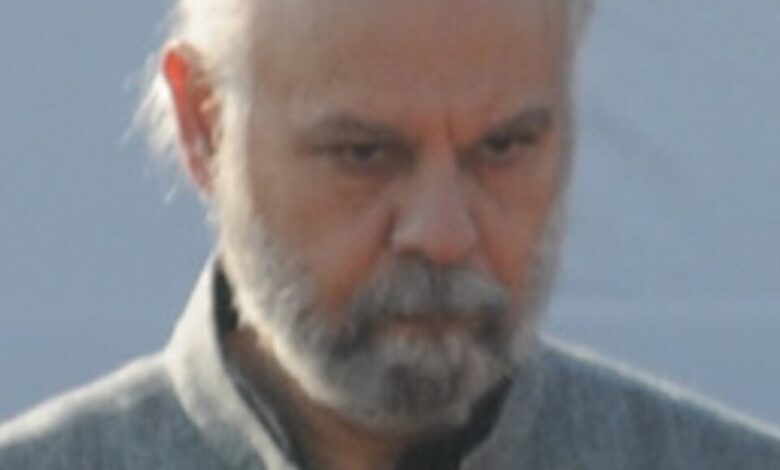
Akali Dal leader Naresh Gujral cyber fraud: Delhi Police Cyber Cell managed to freeze nearly ₹4 crore after scammers impersonated the veteran SAD leader using a fake WhatsApp profile and tricked his company’s finance staff into four RTGS transfers over five days
North Desk Correspondent
Chandigarh, June 19
In a sobering reminder that cyber criminals spare no one — not even those in the highest corridors of power — Naresh Gujral, son of former Prime Minister Inder Kumar Gujral and a long-serving Rajya Sabha member from Punjab, has become the victim of one of Delhi’s biggest recent cyber frauds. Scammers impersonated him on WhatsApp and tricked his company’s finance team into transferring ₹7.80 crore over five days earlier this month.
Akali leader Naresh Gujral cyber fraud
The Naresh Gujral cyber fraud unfolded between June 12 and June 16, according to Delhi Police. During this period, unidentified fraudsters created a WhatsApp account bearing Naresh Gujral’s photograph as the display picture. Posing as him, they contacted a senior official in the financial division of his company, claiming to be in a meeting and instructing the employee to transfer funds via RTGS (Real-Time Gross Settlement) to a specified bank account. The employee, believing the instruction to be genuine, complied. The transfers were reportedly carried out in four tranches.
The deception came to light when the employee later informed Gujral’s daughter, Diksha Gujral, about the transactions. Sensing something was wrong, she immediately contacted her father. Naresh Gujral clarified he had not authorised any such transfers and had no knowledge of them. The family then realised they had fallen prey to a carefully orchestrated impersonation scam.
The family filed an e-FIR with the Delhi Police, and Diksha Gujral also called the National Cyber Crime Helpline (1930). The Delhi Police Cyber Cell acted swiftly: by placing a lien on multiple accounts linked to the fraud, authorities managed to freeze nearly ₹4 crore — roughly 51 per cent of the defrauded amount. An FIR was registered on June 17. Investigators are now tracing the money trail and working to identify the beneficiaries of the RTGS transactions.
Naresh Gujral cyber fraud: Speaking about the incident, Naresh Gujral acknowledged that while his bank had flagged some of the transactions, his company’s CFO had cleared them after believing the WhatsApp messages were genuine. The scam’s success hinged entirely on that misplaced trust.
Follow North Desk on WhatsApp for the latest from Punjab, Haryana and Himachal Pradesh: https://whatsapp.com/channel/0029Vb7ccdxJENy2H87DBG3E
Who Is Naresh Gujral?
For readers unfamiliar with Naresh Gujral, he carries one of India’s most distinguished political inheritances. Born on May 19, 1948, in Jalandhar, he is the son of Inder Kumar Gujral, who served as India’s 12th Prime Minister from 1997 to 1998 and was a towering figure of the Gujral Doctrine era of Indian foreign policy. His mother, Sheila Gujral, was a noted Hindi poet; his uncle Satish Gujral was among India’s most celebrated artists.
Naresh Gujral himself built a long career that straddled business and politics. A chartered accountant with a BA from St Stephen’s College, Delhi, he went on to become Chairman and Managing Director of a textile company, and has been associated with over 32 companies as a director, according to Ministry of Corporate Affairs records.
Politically, he aligned with the Shiromani Akali Dal (SAD) and represented Punjab in the Rajya Sabha from March 2007 to April 2022 — a 15-year tenure during which he was a vocal presence on issues of agriculture, federalism, and Punjab’s interests. He was succeeded in the Rajya Sabha by AAP’s Raghav Chadha. He had earlier contested the 2004 Lok Sabha elections from Jalandhar but was defeated by Congress’s Rana Gurjeet Singh.
Now 77, Gujral has largely stepped back from active politics since his Rajya Sabha tenure ended in 2022, though he has continued to comment publicly on issues of Punjab’s identity and governance. In December 2024, he was notably quoted praising both his father and the late Manmohan Singh as Punjabi prime ministers who embodied integrity and statesmanship.
A Growing Crisis: When Prominent Names Become Bait
Naresh Gujral cyber fraud: The Gujral case illustrates a fraud pattern that has become alarmingly common: scammers harvest photographs of prominent individuals from social media and news archives, construct a credible-looking WhatsApp profile, and then target people who are likely to respond to that person’s instructions without question — employees, business associates, or family members.
The tactic exploits a fundamental feature of corporate communication culture in India: that instructions from a senior leader or owner, however informally conveyed, are rarely questioned. By injecting themselves into that chain of trust via a simple photo swap on WhatsApp, fraudsters can move crores with alarming efficiency.
Cybercrime experts advise companies to institute a mandatory call-back protocol — that any instruction for a financial transfer received via messaging app, regardless of the display photo or name, must be verbally confirmed with the sender before execution. The Gujral case suggests that even when a bank flags a transaction, a single voice of misplaced reassurance from a CFO can override the safeguard.
READ: Chandigarh Police Encounter: 3rd Accused Held; 2 were Shot by Police in Sector 11 Murder Case
ALSO: Bhagwant Mann New Video: From Height to Looks, CM’s 6 Claims Why It’s Fake



2 Comments