The Harvard Professor Fired Over LSD Who Introduced America to Neem Karoli Baba
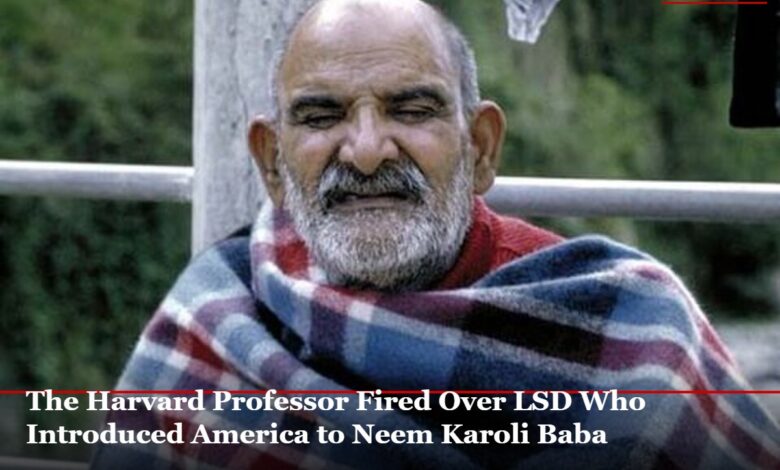
Neem Karoli Baba Ram Dass: Richard Alpert was fired from Harvard over LSD. In India he met Neem Karoli Baba, became Ram Dass, and wrote the book that later shaped Steve Jobs.
North Desk Correspondent
Chandigarh, September 7
Neem Karoli Baba Ram Dass: Before Steve Jobs ever heard of Neem Karoli Baba, before Larry Brilliant was told to go fight smallpox, there was a disgraced Harvard psychologist named Richard Alpert — fired for handing out drugs to undergraduates, who went looking for a bigger high in India and came back as Ram Dass, the man whose book effectively introduced an entire generation of Americans to the guru at the heart of Hanuman Ansh.
North Desk’s earlier pieces traced how Neem Karoli Baba’s legacy reached Steve Jobs, and through him Mark Zuckerberg, and separately shaped Larry Brilliant’s path to founding Google.org. But almost none of that chain exists without one man who got there first — and whose own book, by Jobs’s own account, is what sent him toward psychedelics and, eventually, toward India himself.
Neem Karoli Baba Ram Dass story: A Harvard star, quietly falling apart
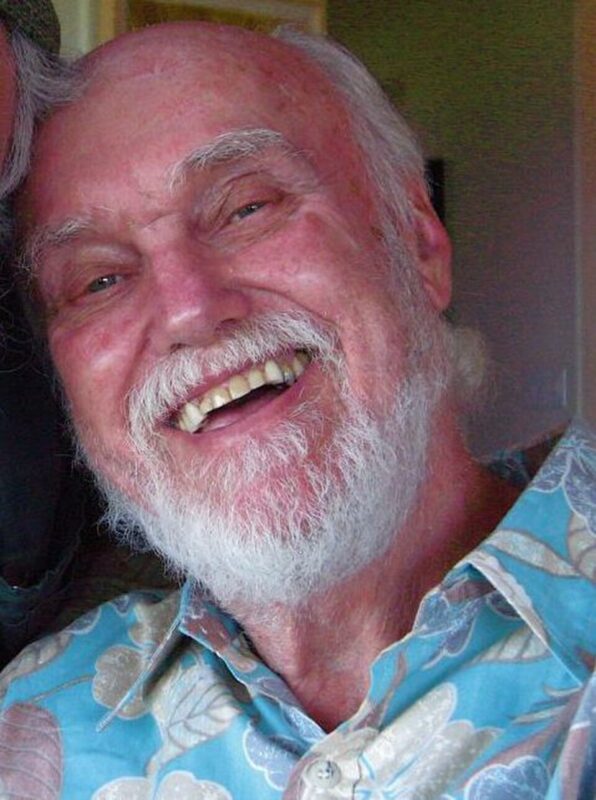
Neem Karoli Baba Ram Dass: In 1961, Richard Alpert held appointments across four departments at Harvard University. He published books, drove a Mercedes, and holidayed in the Caribbean — by every conventional measure, he had arrived. And yet, as he described it later, something was missing underneath all of it.
That gap is what drew him into psilocybin and LSD experimentation alongside fellow Harvard psychologist Timothy Leary. From 1961 to 1963, the two men ran the Harvard Psilocybin Project, handing out doses of psychedelics to volunteers — legal at the time — and documenting the effects. It didn’t last. Both were dismissed from Harvard: Leary for leaving without notice, Alpert for distributing drugs to undergraduate students. The two relocated to an estate in Millbrook, New York, where they kept experimenting, running weekend retreats built around yoga and meditation as a way of chasing the same altered states without the drugs.
It was from there that Alpert made the trip that would define the rest of his life.
ALSO: Neem Karoli Baba Larry Brilliant story: The Guru Behind Google.org’s Founder
The guru who wasn’t affected by his LSD
Neem Karoli Baba Ram Dass: In 1967, Alpert left for India, initially drawn by a fellow spiritual seeker who went by the name Bhagavan Das. That connection led him to a guru named Neem Karoli Baba, known to his followers as Maharaj-ji.
What followed became one of the most retold stories in the American counterculture. Alpert, still carrying LSD with him, is said to have given Neem Karoli Baba a large dose — by some accounts, over 900 micrograms, several times a standard dose — expecting some visible reaction. According to Alpert’s own account, nothing happened. The guru showed no effect at all. For Alpert, that was the moment everything shifted: if psychedelics couldn’t touch a man who had apparently already reached a state of consciousness Alpert had spent years chasing chemically, then the drugs were never going to be the real path. (The story has its skeptics — some who knew Alpert have questioned whether the guru actually swallowed the LSD or simply appeared to — but it remains the account Alpert told for decades and the one that shaped how the story is remembered.)
Neem Karoli Baba gave Alpert a new name: Ram Dass, meaning “servant of God.” At the guru’s encouragement, Ram Dass returned to the United States in 1968 — barefoot, bearded, dressed in the white robes of a Hindu ascetic, almost unrecognisable from the Harvard professor who had left.
READ ALSO: Neem Karoli Baba Steve Jobs Story: How a Guru Shaped Apple and Facebook
The book that became the counterculture’s bible
Neem Karoli Baba Ram Dass: In 1971, Ram Dass published Be Here Now — part memoir, part introduction to Hindu and Buddhist philosophy, built around the idea that the whole of spiritual practice comes down to fully inhabiting the present moment. The book went on to sell more than two million copies and is still described as the “counterculture Bible.” For a huge swath of young Americans in the 1970s who would never travel to India themselves, Be Here Now was their only real exposure to Neem Karoli Baba and the world Ram Dass had entered.
The book’s reach turned out to be longer than anyone could have predicted. Steve Jobs later credited Be Here Now with being the thing that pushed him toward trying LSD in the first place — years before Jobs made his own pilgrimage to Kainchi Dham, arriving too late to meet the guru who had already died. In effect, Ram Dass’s book set the entire chain in motion: it shaped the young Jobs, who decades later would advise a struggling Mark Zuckerberg to visit the same ashram Ram Dass had once written about.
READ ALSO: Hanuman Ansh Miracles: 5 Scenes Behind the ₹100 Crore Sleeper Hit
A legacy that outlived him
Ram Dass spent the following decades writing further books — Grist for the Mill, How Can I Help?, Polishing the Mirror — and lecturing widely on compassion, service and present-moment awareness, gradually moving the emphasis of his teaching away from psychedelics altogether and toward meditation, yoga and karma. A stroke in 1997 left him partially paralysed, but he continued teaching and writing until his death in December 2019, at the age of 88.
The organisation he helped build, the Love Serve Remember Foundation, continues preserving and spreading both his teachings and Neem Karoli Baba’s, through courses, podcasts, films and online content — keeping alive the same lineage that Hanuman Ansh has now introduced to millions of new viewers in India, more than five decades after an ambitious young Harvard psychologist first walked into a Himalayan ashram looking for something he couldn’t yet name.
READ ALSO: Hanuman Ansh Miracles: 5 Scenes Behind the ₹100 Crore Sleeper Hit
READ ALSO: Neem Karoli Baba Steve Jobs Story: How a Guru Shaped Apple and Facebook
ALSO: Kainchi Dham Explained: What It Is, Why It Matters, and How to Get There
Follow North Desk on WhatsApp for the latest from Punjab, Haryana and Himachal Pradesh: https://whatsapp.com/channel/0029Vb7ccdxJENy2H87DBG3E





4 Comments