Raghav Chadha : Who gains and who loses?
Prof. Ashutosh Kumar of Panjab University argues Chadha and Pathak offer BJP a credible face and organisational knowledge — but the real gain is in Rajya Sabha, not Punjab’s Vidhan Sabha.
Arvind Chhabra
Chandigarh, April 27
A Credible Face, Not a Vote-Getter
Raghav Chadha’s move to the BJP will benefit the party — but let us be clear about what that benefit actually is. He will not bring votes. Punjab’s electorate does not work that way. Individual leaders rarely carry constituencies on their backs. This is what Prof. Ashutosh Kumar, a Professor of Political Science at Panjab University, Chandigarh, feels.
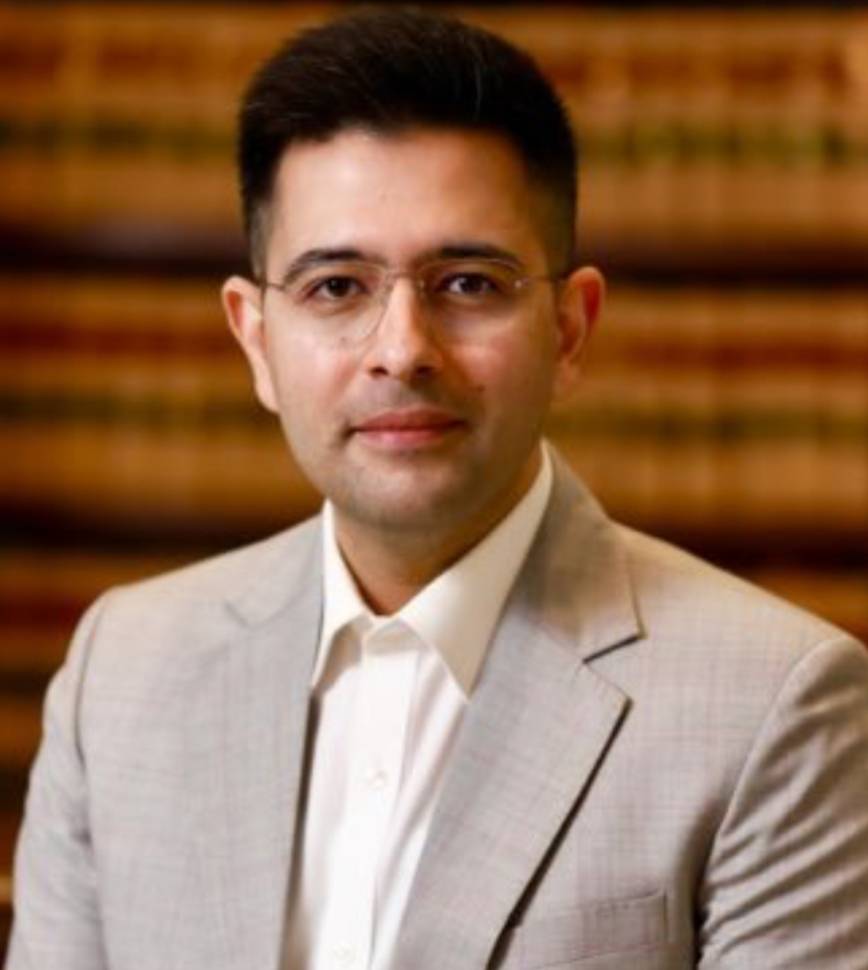
Prof Ashutosh, who specialises in electoral dynamics in Indian states and is among the foremost academic voices on Punjab politics, feels what Raghav Chadha offers “is a face. He comes from the Arora-Khatri trading community — urban, Hindu, business-class. This is BJP’s traditional support base in Punjab. More importantly, he is English-speaking, presentable, and carries the profile of the urbane Punjabi that the party has historically lacked at the national level. For that constituency — the educated, city-dwelling Punjab voter — he can be a credible representative. He has also worked in Punjab, been associated with movements here since at least 2014-15, and understands the political terrain. That is not nothing.”
Pathak’s Value Is Organisational
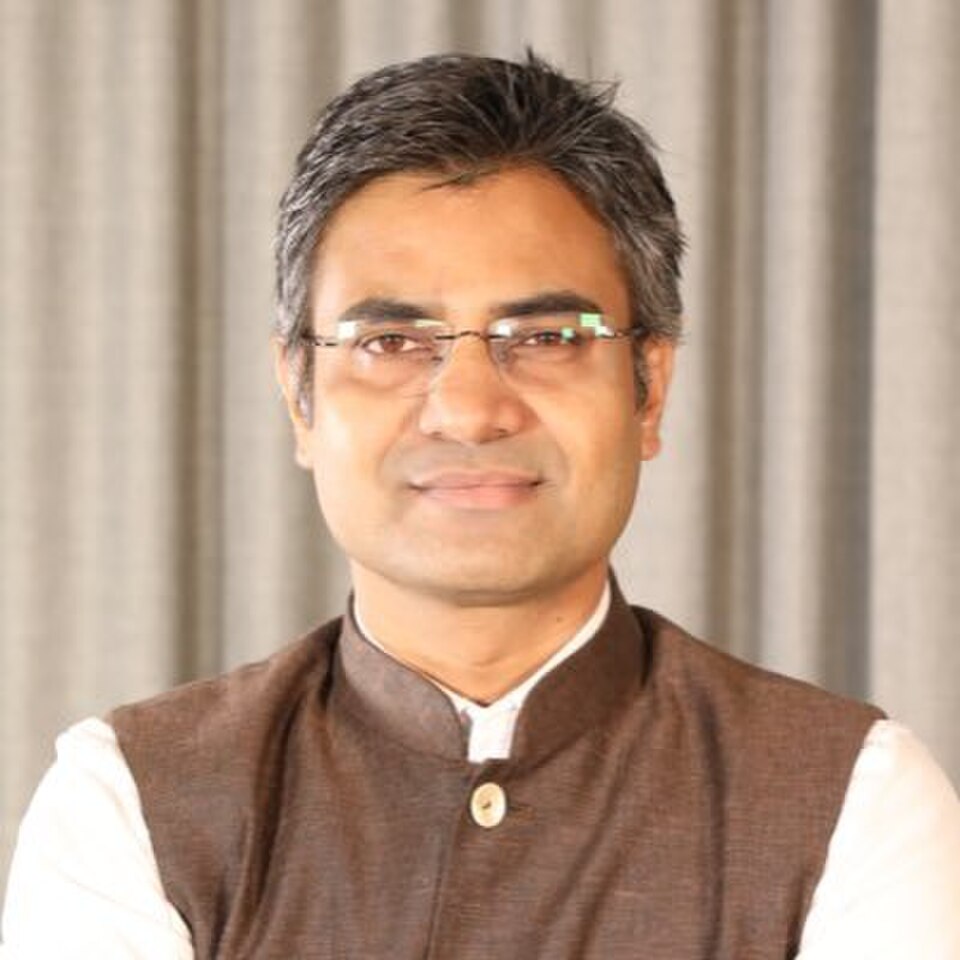
On Sandeep Pathak, Prof Ashutosh says, he is a different kind of asset. He was known as an “organisation man” inside AAP — someone who understood ticket distribution, managed relationships, and kept the machinery running. “That insider knowledge of how AAP operated in Punjab is useful to BJP as it prepares for the next assembly election. The others who have made the jump are largely moneybags — they may contribute funds, but BJP does not urgently need their money. It is Chadha and Pathak who are actually useful.”
The Ideological Misfit Problem
Here is where it gets complicated. Both Chadha and Pathak are western-educated, liberal, and urbane. “They do not come from an ideological background rooted in the Sangh tradition. Fitting into BJP’s organisational culture — and more critically, into the RSS ecosystem — will not be easy for either of them.”
He says Punjab’s BJP and RSS cadre has its own history and its own pride. “During the years of militancy, RSS workers and Shiv Sena members faced targeted violence. People died. That generation of leaders has not forgotten what they sacrificed to build the party’s presence in Punjab. They will not take kindly to outsiders arriving and expecting to call the shots — regardless of what their surnames are. A Punjabi surname alone is not enough,” says Prof Ashutosh.
He adds Chadha and Pathak are not from Punjab in any meaningful political sense. “The old guard will remember that, and it will limit how far these two can go within the party structure.”
The Real BJP Gain Is in Rajya Sabha, Not Chandigarh
This is the point that most commentary has missed, according to the expert. “The most significant gain for BJP from this entire episode is not in the Punjab Vidhan Sabha — it is in the Rajya Sabha.”
He argues: “Think about it this way: without winning a single seat in Punjab’s assembly, BJP has effectively strengthened its Rajya Sabha position with these MPs coming to its fold. One Rajya Sabha seat carries more legislative weight than a Lok Sabha seat in terms of the daily functioning of Parliament.”
He reasons, “BJP has been in power at the Centre for over twelve years and still lacks a comfortable RS majority. Every additional RS member matters — for passing legislation, for confidence, for political signalling. In that sense, what has just happened is the equivalent of winning an assembly election without fighting one.”
That is the real prize here. And it is considerable.
AAP Is Down, Not Out
A word on AAP itself by the professor: “People have been writing the party’s obituary in Punjab for some time now. But parties do not simply cease to exist. They absorb setbacks, regroup, and survive. AAP is not going to fall apart, and these defections will not bring down the government in Chandigarh — that is not how state politics works.”
What will happen, and watch for this closer to the next elections, is that these departing leaders will begin telling a particular story: that they wanted to deliver for Punjab but were not allowed to by Kejriwal’s centralised command, Prof Ashutosh foresees. “That narrative will be deployed strategically. AAP is going to face a tough election. It is not performing. And these rebels will make sure voters hear their version of why.”
So, Prof Ashutosh sees Chadha and Pathak playing a limited role in BJP’s Punjab story. But they will play a role. And sometimes, that is enough, he says.
.