Gold Smuggling Surge: Why India’s Gold Tax Is a Smuggler’s Dream
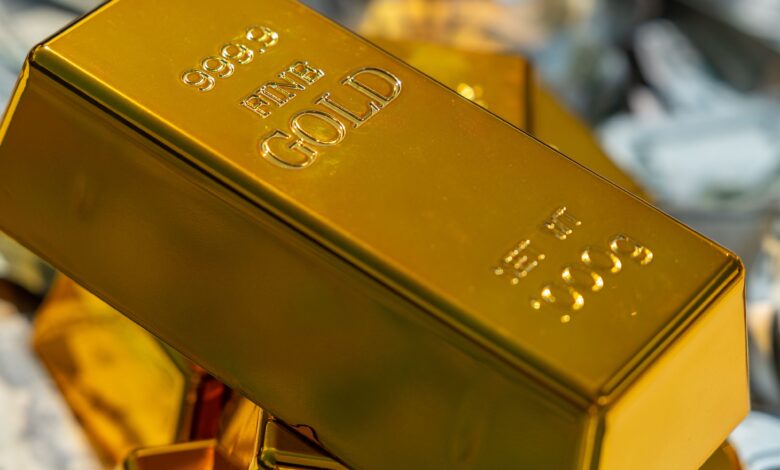
Gold Smuggling surge: DRI seized 17 kg of gold in Kolkata and Agartala this weekend. But the bigger story is how India’s 15% import duty hike has made gold smuggling extraordinarily profitable in 2026.
North Desk Correspondent
Chandigarh, June 14
On Friday, when Indian customs officers at Kolkata’s Netaji Subhas Chandra Bose International Airport intercepted a smuggling syndicate, they seized 11.6 kg of gold flown in from Thailand — enough to fill a small shoebox, worth roughly Rs 17 crore on the open market. The same day, in Agartala, another team from the Directorate of Revenue Intelligence (DRI) was pulling 5.1 kg of gold off smugglers who had slipped it across the Indo-Bangladesh border. Ten people were arrested across both operations.
Routine enough, you might think. Except it isn’t. What is playing out at India’s airports and land borders right now is not routine enforcement activity — it is the visible edge of a smuggling surge that experts warn could see illegal gold imports cross 100 metric tonnes in 2026. And the trigger, paradoxically, is a government policy designed to do the exact opposite.
Gold Smuggling Surge: The Tariff That Backfired
In May, New Delhi more than doubled the import duty on gold to 15%, citing the need to curb demand, narrow the trade deficit, and ease pressure on the rupee. The logic was sound. Gold is India’s second-largest import after crude oil, and a weakening rupee makes those imports increasingly expensive in dollar terms.
But duty hikes on gold have a well-documented side effect: they make smuggling extraordinarily profitable.
Gold Smuggling: Here is the arithmetic. When the official import duty is 15%, the legal price of gold in India is roughly 15% above the international price. A smuggler who bypasses customs can bring that gold in at world price, sell it at a 4-5% discount to the official rate, and still pocket a 10% margin. On gold worth crores, that is life-changing money for everyone in the supply chain — from the carrier at the airport to the syndicate mastermind sitting in another city entirely.
Reuters reported this week that the grey market discount on gold has crossed $200 per ounce — more than 4% below official prices. A Mumbai-based bullion division head at a private gold importing bank told the news agency that legitimate banks cannot offer even a $10 per ounce discount, let alone one running into three digits. The playing field between legal and illegal gold has rarely been this skewed.
A Recurring Cycle
This is not the first time India has been here. In March 2006, DRI busted an organised smuggling and illegal melting racket operating simultaneously in Delhi and Kolkata, seizing gold, silver and cash collectively valued at over Rs 14 crore. Syndicates were running clandestine melting units to deface foreign-origin gold before pushing it into the local bullion market — erasing the evidence of its illegal origin.
The mechanics then were identical to what investigators are seeing now. High duties create the margin. The margin attracts organised crime. Organised crime builds supply chains — carriers, receivers, melters, distributors. By the time enforcement catches up, the networks are entrenched.
What It Is Costing the Government
Gold Smuggling: The scale of potential losses is striking. At current gold prices, 100 metric tonnes of gold is worth approximately $14.35 billion. Reuters estimated that illegal imports at that level would imply roughly $2.65 billion — over Rs 22,000 crore — in lost tariff and sales tax revenue. The very duty hike designed to protect government finances may end up costing it far more than it gains.
James Jose, managing director of refiner CGR Metalloys, told Reuters that the deep grey market discounts have disrupted legal trade entirely, pushing domestic discounts on legitimately imported gold to over $100 per ounce and making refining uneconomical.
India imported 45.6 tonnes of gold in April. By May, with banks and refiners stepping back from overseas purchases in the face of uncompetitive pricing, legal imports may have halved — even as illegal flows accelerated in the opposite direction.
The Policy Trap
The government now faces a genuinely uncomfortable dilemma. Rolling back the duty hike would be read as a policy reversal and could reignite the import demand it was trying to suppress. Keeping it in place sustains the smuggling incentive and the revenue haemorrhage. Enforcement alone — however effective the DRI’s operations — cannot close a $200-per-ounce arbitrage gap.
India has the world’s most voracious appetite for gold after China. Weddings, festivals, investment, inheritance — gold is woven into the economic and cultural fabric of the country in ways that make demand suppression through tariffs a blunt and often counterproductive instrument.
Follow North Desk on WhatsApp for the latest from Punjab, Haryana and Himachal Pradesh: https://whatsapp.com/channel/0029Vb7ccdxJENy2H87DBG3E
READ: Who is Shahzad Bhatti, Pakistan-Based Gangster Behind 3 Terror Attacks in Punjab & Haryana?
ALSO: Modi Longest Serving PM: Records Modi Has Broken — And 3 Records That He Hasn’t





3 Comments