'Chura', 'Bhangi': How Punjab's Census Form Used the Words the Supreme Court Already Banned
A government proforma for Census 2026 to 2027 used caste-entry terms that a Supreme Court bench declared offensive over a decade ago — and directed all state governments to comply with, right down to the level of District Magistrates. Statewide protests are planned for May 5. Here is a plain-language guide to the controversy, the law, and what it means if you are filling out Punjab’s self-enumeration form.
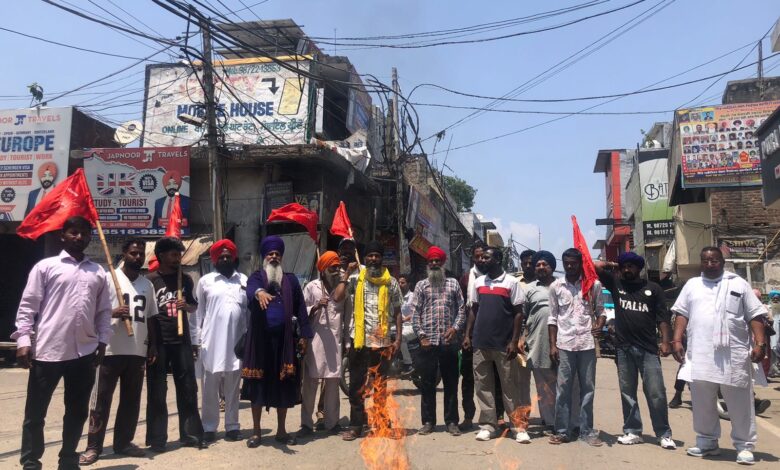
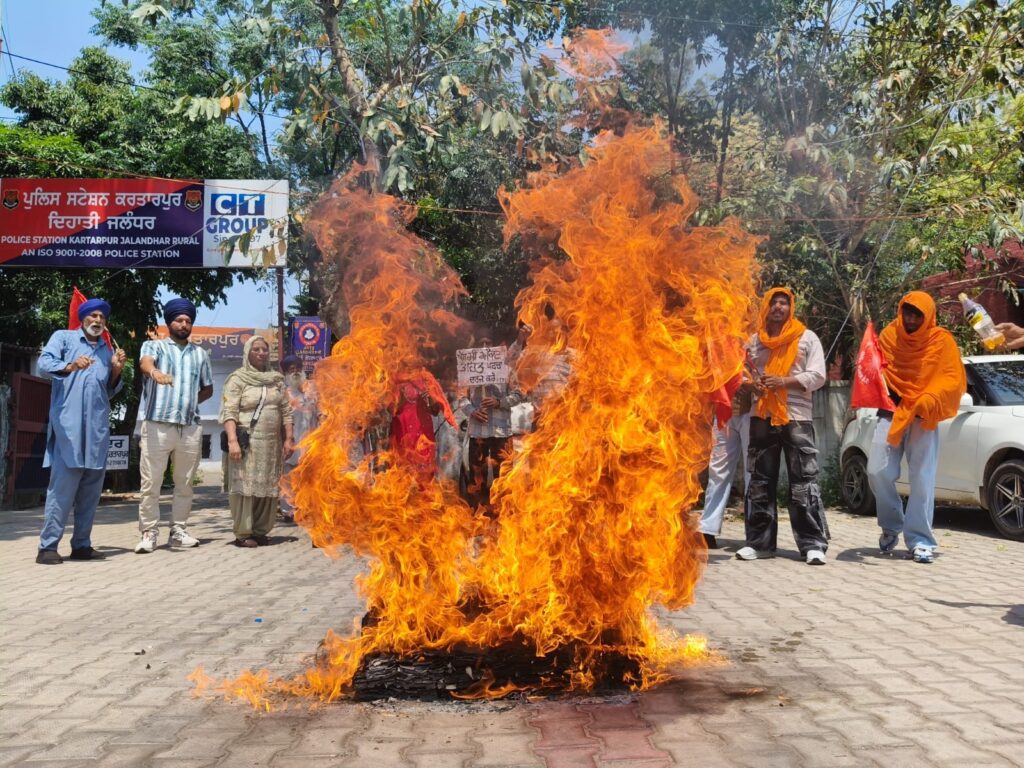
UPDATE | May 5, 2026 Protests against the Punjab government were held at more than 24 locations across the state on Tuesday, including Amritsar, Ludhiana, Patiala, Jalandhar and Sangrur. Pendu Mazdoor Union and Zameen Praapti Sangharsh Committee leaders warned of an escalation if SC/ST Act FIRs are not registered against the responsible officials. The organisations also confirmed that the census form includes a third prohibited word — Chamar — in addition to Chura and Bhangi. The Punjab government has not responded.
Arvind Chhabra
Chandigarh, May 4
What is self-enumeration, and why is it significant for Census 2027?
Census 2027 is India’s first national census since 2011 — the previous one, due in 2021, was delayed by the Covid-19 pandemic. For the first time, the government has introduced a self-enumeration option: households can fill out the census proforma online themselves, without waiting for an enumerator to visit.
Punjab was among the states that issued an online self-enumeration portal. The process involves filling in details about household members, including caste and community. This matters enormously: caste data directly determines reservation entitlements, welfare scheme eligibility, and political representation for Scheduled Caste and Scheduled Tribe communities. Getting it right — and getting it done — is consequential.
So what went wrong with Punjab’s census form?
The online Census proforma issued by the government for Census 2027 listed, in the caste-entry column, terms including Chura and Bhangi as options for Scheduled Caste respondents to identify themselves.
Both words are caste names that appear in official Scheduled Caste lists. But they are also words that have, over generations, been deployed as slurs — used to demean, humiliate and insult members of Dalit communities. A Supreme Court bench addressed exactly this question in 2011, in a ruling that is binding on all state governments and their officials.
The proforma has included the following in the list of Scheduled Castes written in English and Punjabi: Balmiki, Chura, Bhangi (ਬਾਲਮੀਕੀ, ਚੂਹੜਾ, ਭੰਗੀ) Bangali (ਬੰਗਾਲੀ) Barar, Burar, Berar (ਬਰੁੜ, ਬੁਰਾੜ, ਬੇਰਾੜ) Batwal, Barwala (ਬਟਵਾਲ, ਬਰਵਾਲਾ) Bauria, Bawaria (ਬੌਰੀਆ, ਬਾਵੇਰੀਆ) Bazigar (ਬਾਜ਼ੀਗਰ) Bhanjra (ਭੰਜੜਾ) Chamar, Jatia Chamar, Rehgar, Raigar, Ramdasi, Ravidasi, Ramdasia, Ramdasia Sikh, Ravidasia, Ravidasia Sikh (ਚਮਾਰ, ਜਟੀਆ ਚਮਾਰ, ਰੇਹਗਰ, ਰਾਏਗਰ, ਰਾਮਦਾਸੀ, ਰਵੀਦਾਸੀ, ਰਾਮਦਾਸੀਆ, ਰਾਮਦਾਸੀਆ ਸਿੱਖ, ਰਵੀਦਾਸੀਆ, ਰਵੀਦਾਸੀਆ ਸਿੱਖ among others.
What did the Supreme Court rule — and when?
It’s a judgment delivered in 2011 by a bench of Justices Markandey Katju and Gyan Sudha Misra.
The case arose from an incident at a Jallikattu festival in Madurai, where an accused belonging to the ‘servai’ backward caste called a man from the ‘pallan’ Scheduled Caste community a “pallapayal” — a deeply abusive term — and then attacked him with sticks. Both lower courts convicted the accused. The Supreme Court upheld the conviction and used the occasion to set down broad legal principles on caste-based verbal abuse.
The bench drew an explicit North India parallel: just as ‘pallan’ in Tamil Nadu is used derogatorily, the court noted, “in North India the word ‘chamar’ denotes a specific caste, but it is also used in a derogatory sense to insult someone.” Using such a word with intent to insult a Scheduled Caste person constitutes an offence under Section 3(1)(x) of the Scheduled Castes and Scheduled Tribes (Prevention of Atrocities) Act, 1989, the court held.
The bench also drew on its 2008 ruling in Swaran Singh & Ors. vs State, which had squarely addressed the word ‘Chamar’ and concluded it is “not normally used to denote a caste but to intentionally insult and humiliate someone.” That ruling went further still, holding that even the so-called upper castes and OBCs should not use such words when addressing a Scheduled Caste person “even if that person in fact belongs to the ‘Chamar’ caste, because use of such a word will hurt his feelings.”
Did the Supreme Court specifically mention Chura and Bhangi?
The 2011 judgment identified words used in North India — including ‘chura’ and ‘bhangi’ — as belonging to the same category of terms used to demean Scheduled Caste communities. The underlying legal principle the court established applies to all such words when used with intent to insult: that their common, popular meaning — not their etymological caste-name origin — governs how courts must read them.
As the bench put it: when interpreting the SC/ST Act, courts must take into account “the popular meaning of the word which it has acquired by usage, and not the etymological meaning. If we go by the etymological meaning, we may frustrate the very object of the Act.”
What did the Supreme Court direct governments to actually do?
This is the detail that makes the Punjab government’s position hardest to defend.
At the close of the judgment, the bench issued a formal administrative direction: the copy of this judgment shall be sent to all Chief Secretaries, Home Secretaries and Director Generals of Police across every state and union territory in India, with the instruction that it be circulated to all officers up to the level of District Magistrate and SSP/SP “for strict compliance.”
Punjab’s Chief Secretary, Home Secretary and DGP were formally required to receive this ruling and push it down through the bureaucracy. The officials who designed, approved and uploaded the Census 2027 online proforma were, in principle, bound by it.
Does this mean Punjab government officials have committed an offence under the SC/ST Act?
That is precisely what the protesting organisations are arguing, and it is the demand they are placing before the state government.
The legal threshold under Section 3(1)(x) — now renumbered Section 3(1)(r) after the 2015 amendment to the SC/ST Act — requires that the insult occur with intent to humiliate a Scheduled Caste or Scheduled Tribe person, and in a place within public view. Whether an officially issued government form meets that threshold of “intent” and “public view” is a question courts would ultimately determine.
What is not in dispute is this: the government listed these words in an official public document, presented to Scheduled Caste individuals as a means of recording their own identity. The Supreme Court had already ruled that these words carry an inherently degrading charge when used in such a context.
Who is protesting and what are they demanding?
The Pendu Mazdoor Union Punjab — a rural labour union with a significant Dalit membership — and the Zameen Praapti Sangharsh Committee have called for statewide effigy-burning protests against the Bhagwant Mann government on May 5.
Their demands are clear: registration of SC/ST Act FIRs against the officials responsible for the proforma; a public apology from Chief Minister Bhagwant Singh Mann to the Dalit community; and immediate corrective action on the form.
State president Tarsem Peter, general secretary Avtar Singh Rasulpur and press secretary Kashmir Singh Ghughshor of the Pendu Mazdoor Union Punjab, along with Zameen Praapti Sangharsh Committee presidents Mukesh Maloud and Bikkar Singh Hathoa, described the inclusion of these terms as betraying “an entrenched casteist mindset” within the upper-caste bureaucracy and the political establishment.
They also pointed to the silence of SC-reserved seat legislators and parliamentarians — many from the ruling Aam Aadmi Party — and criticised both the National Scheduled Castes Commission and the Punjab State Scheduled Castes Commission for what they called a “conspiratorial silence.”
Why does this carry particular weight in Punjab?
Punjab has the highest proportion of Scheduled Caste population of any Indian state — approximately 32 per cent. Dalit communities are a decisive political constituency, and one that AAP explicitly courted and won in the 2022 assembly elections.
The irony is difficult to miss: a party that built its Punjab mandate substantially on Dalit support presiding over a government form that used words a Supreme Court bench called deeply offensive — and that the state’s own bureaucracy was directed to treat as prohibited.
If I am filling out the Punjab Census self-enumeration form, what should I know?
You are entitled to record your caste in the Census form, as it appears in the official Scheduled Castes list notified under the Constitution (Scheduled Castes) Order, 1950, and its subsequent amendments. The standard practice is to enter the caste name as listed in that official notification, which uses the formal, non-pejorative version of community names.
If the online Census form presents drop-down options using offensive terminology, you are under no legal obligation to accept that framing. Community members and advocates have urged people to document such instances — screenshots of the proforma can serve as relevant evidence if legal proceedings are initiated.
For help with the self-enumeration form, the Census helpline and your local tehsildar office are the official points of contact.
What happens next?
The Punjab government had not, at the time of publication, issued any formal response to the controversy. North Desk will update this report when a response is received.
The May 5 protests will be a gauge of how widely this issue resonates beyond organised labour unions. The Supreme Court’s words from 2011 — written into a judgment sent to every state government in India — remain the clearest summary of what the law requires:
“This is the age of democracy and equality. No people or community should be today insulted or looked down upon, and nobody’s feelings should be hurt. This is also the spirit of our Constitution and is part of its basic features.”
A government census form that does the opposite is not easy to explain away.
ALSO READ: HC tells Punjab it can’t plead poverty while paying full DA to IAS

2 Comments